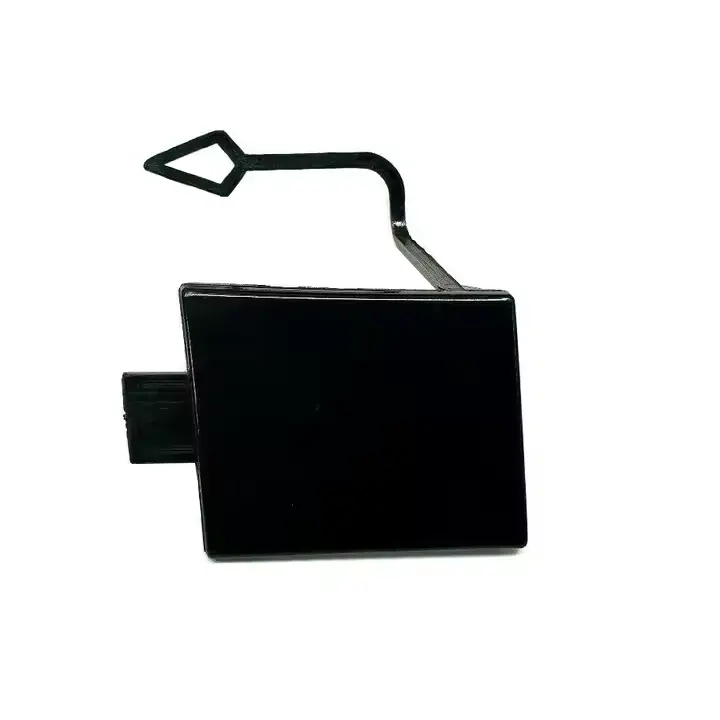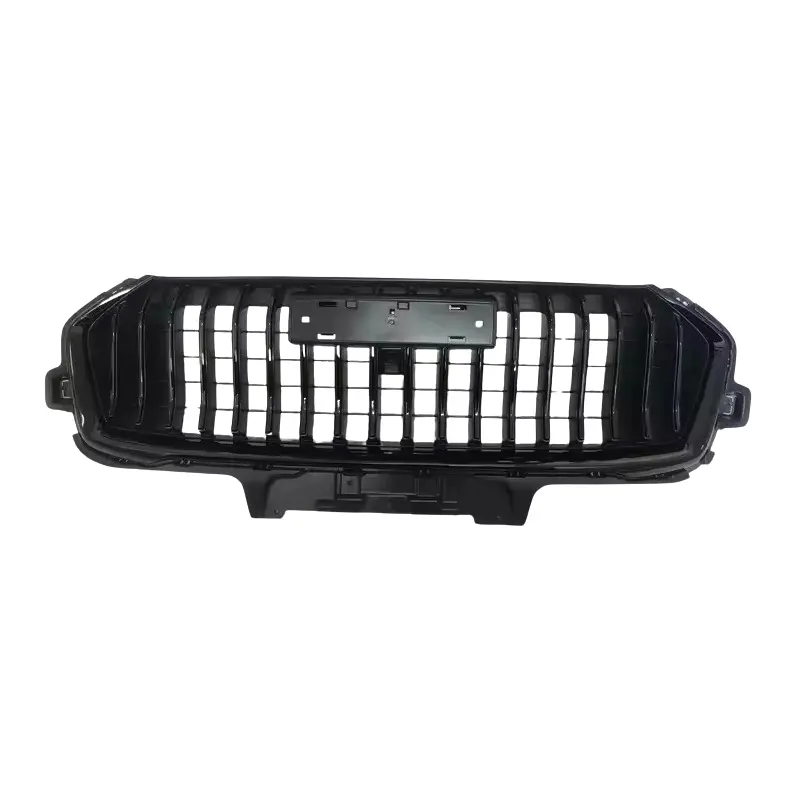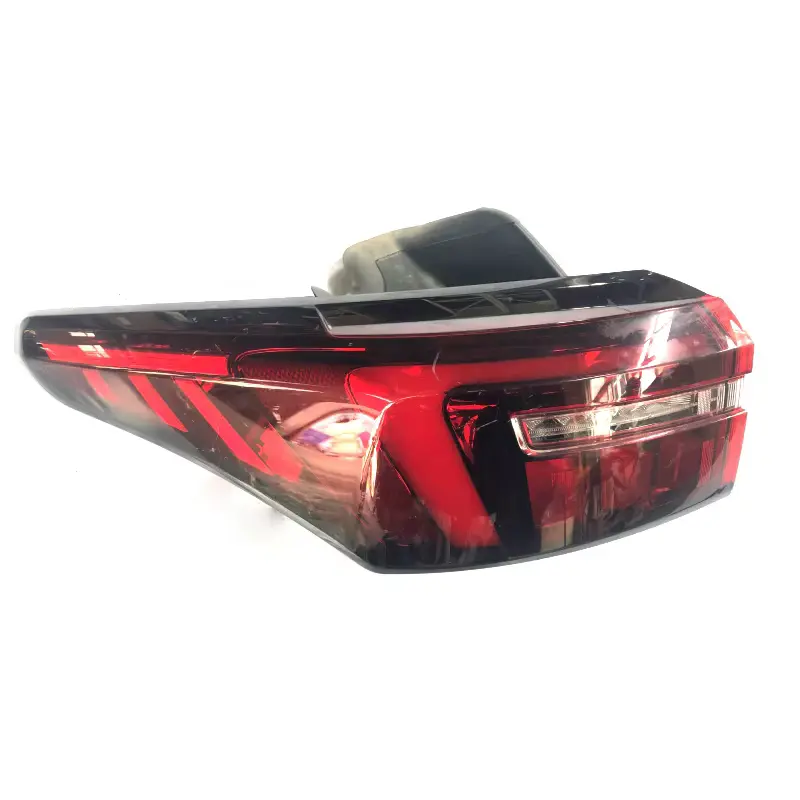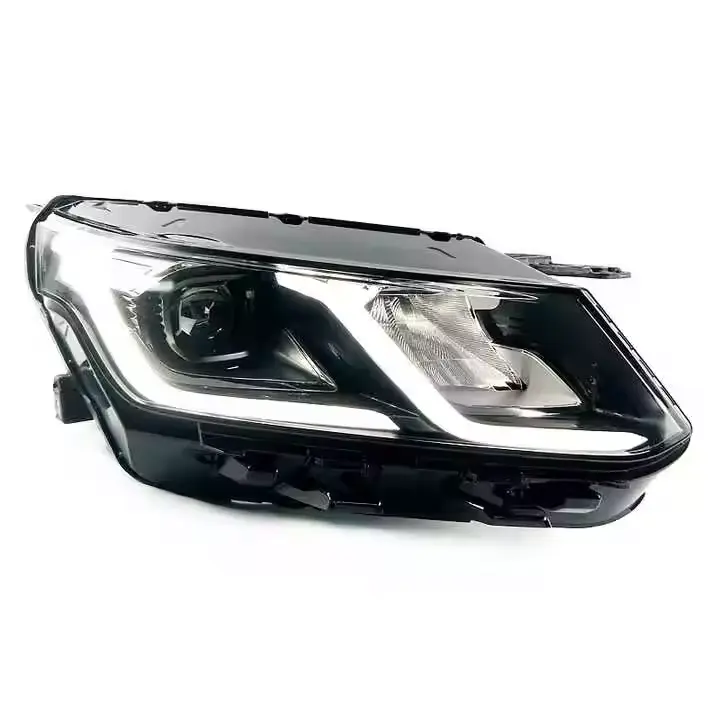
How to Select and Maintain Body Parts for GWM Vehicles?
Abstract: This article provides a comprehensive guide for automotive professionals and GWM vehicle owners on selecting, maintaining, and troubleshooting body parts. It highlights specifications, common questions, and practical advice to ensure optimal performance and longevity. The article is structured into four main nodes for clarity and ease of navigation.
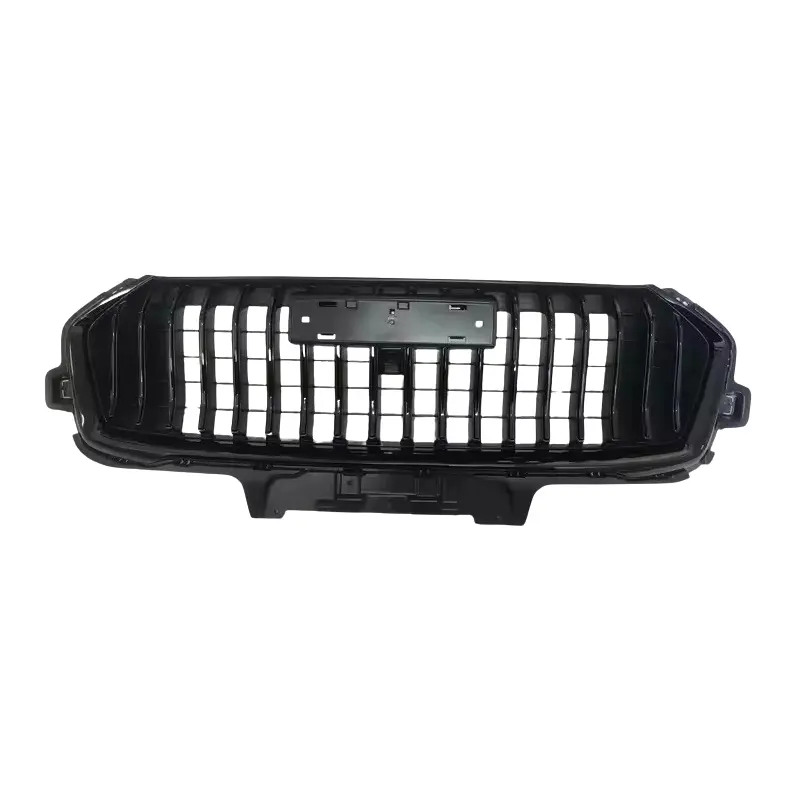
Table of Contents
- 1. Introduction to Body Parts for GWM
- 2. How to Select the Right Body Parts for GWM
- 3. How to Maintain and Troubleshoot GWM Body Parts
- 4. Common Questions about Body Parts for GWM
- 5. Conclusion and Contact
1. Introduction to Body Parts for GWM
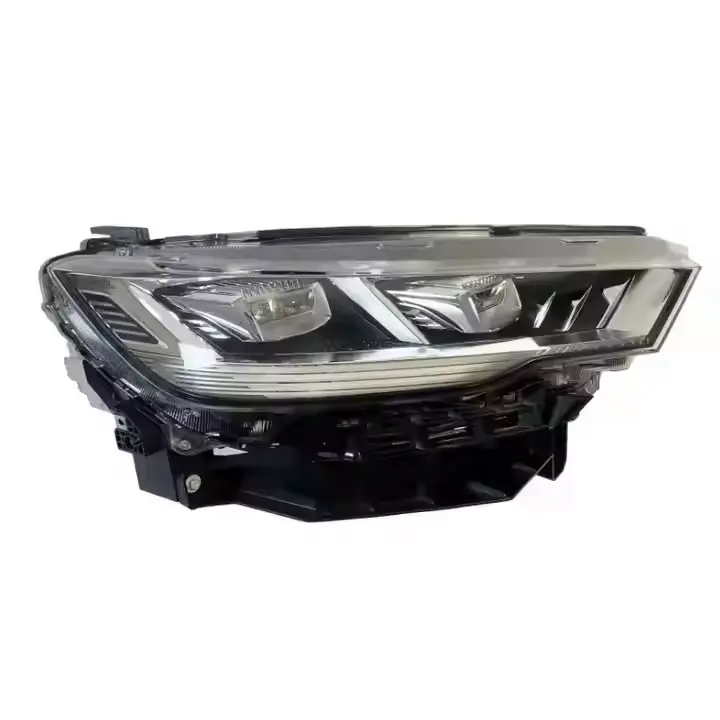
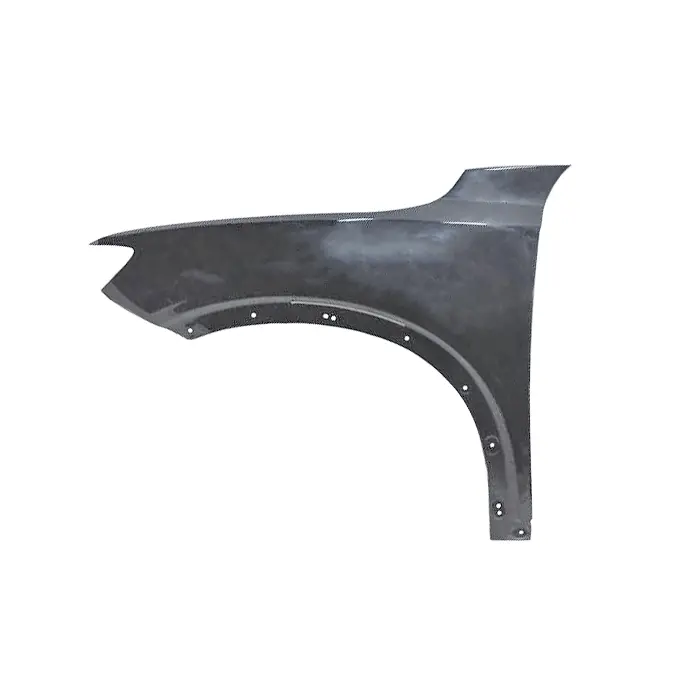
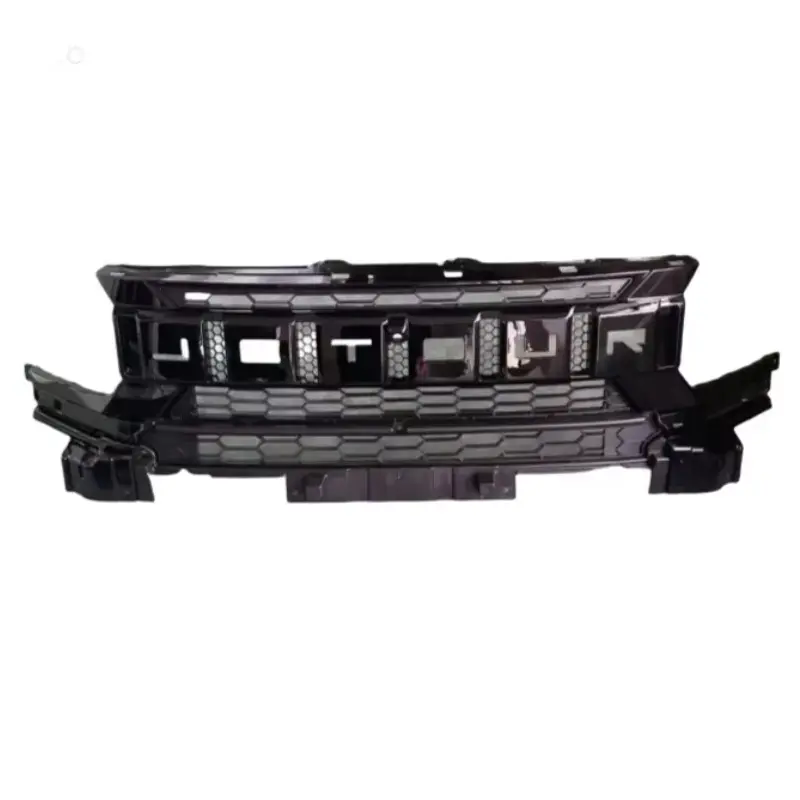
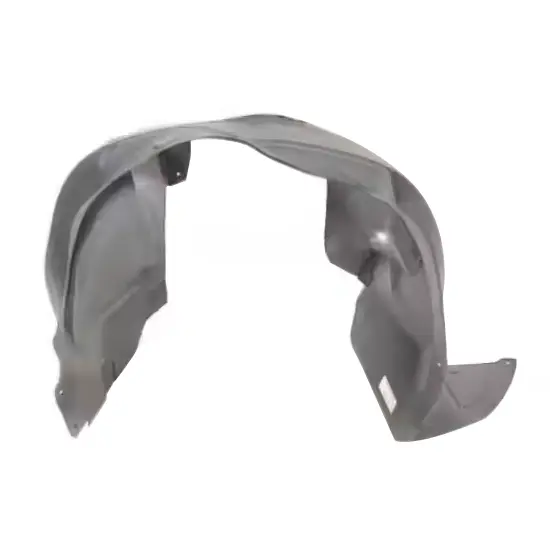
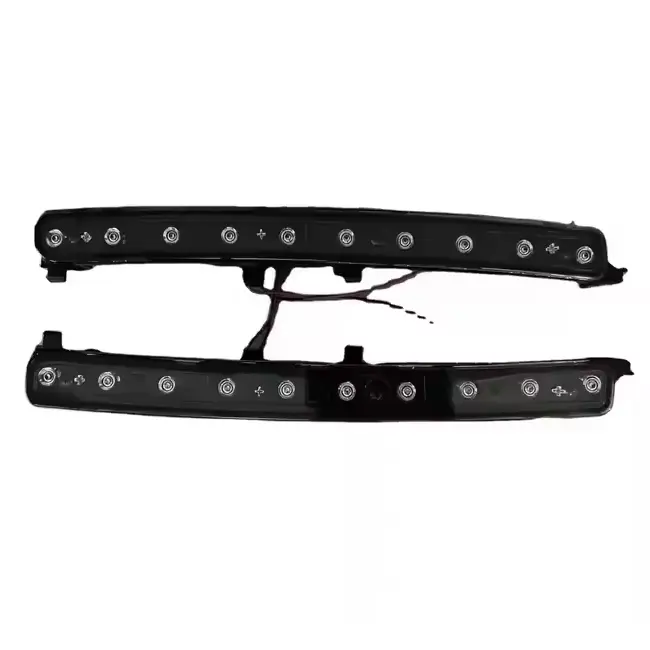
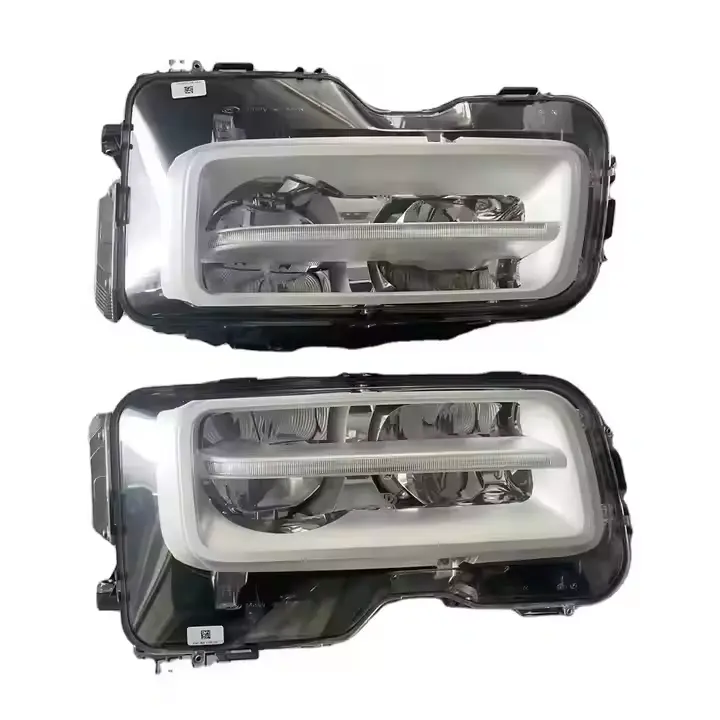
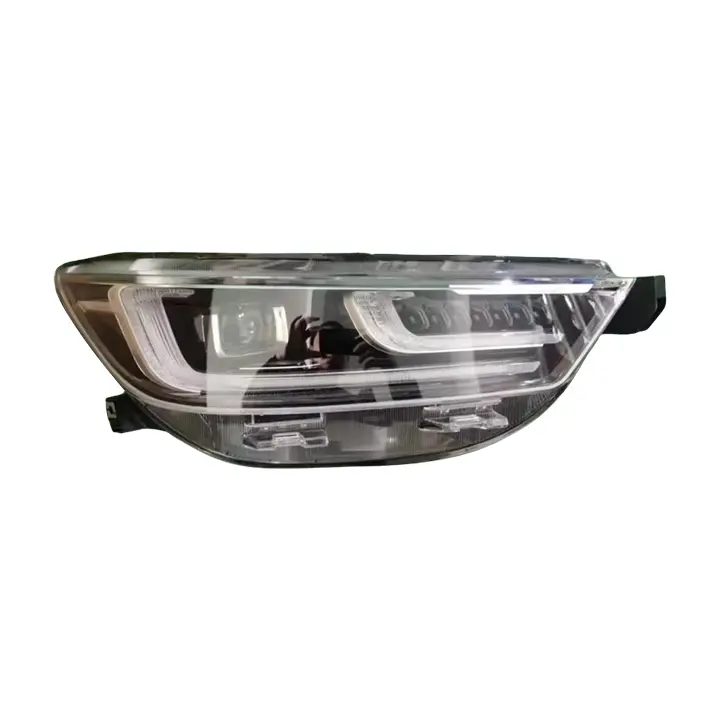
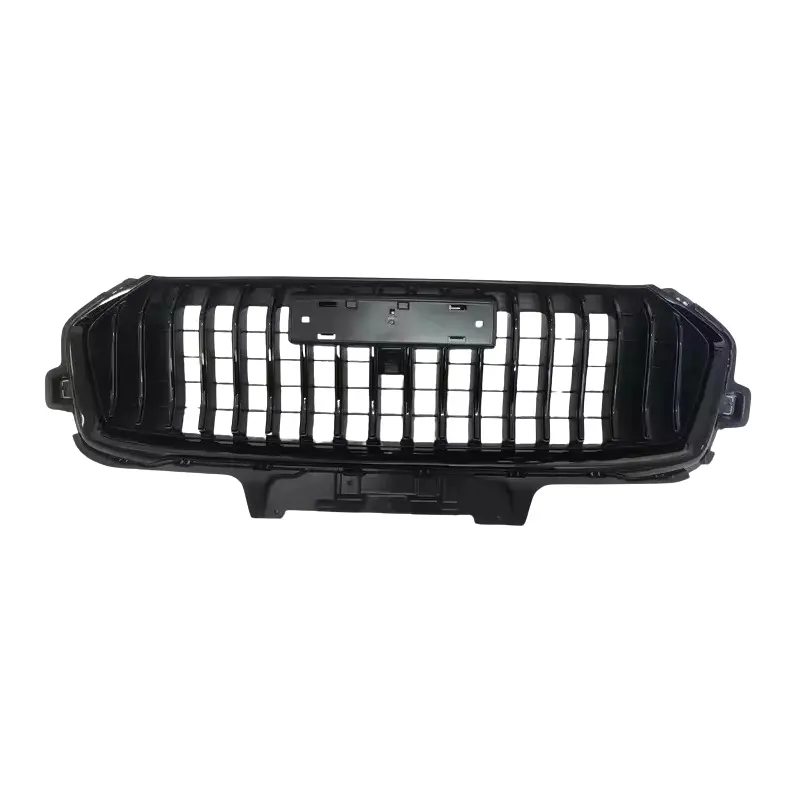
GWM vehicles require high-quality body components to ensure safety, durability, and performance. Body parts include external panels, bumpers, doors, hoods, fenders, mirrors, and structural reinforcements designed specifically for different GWM models such as Haval H6, H9, and POER. Selecting the correct components requires understanding product specifications, material composition, and compatibility with each model.
| Component | Material | Compatibility | Dimensions / Specs |
|---|---|---|---|
| Front Bumper | High-strength steel & ABS | Haval H6, H9 | Length: 1.8m, Height: 0.5m, Weight: 12kg |
| Side Mirror | Aluminum & ABS casing | POER, H6 | Width: 0.3m, Adjustable, Integrated turn signal |
| Door Panel | Steel frame & Aluminum sheet | All GWM SUV models | Thickness: 1.2cm, Reinforced frame |
| Hood | High-grade steel | Haval H6 | Length: 1.5m, Weight: 20kg |
Understanding these parameters ensures proper fitment, durability, and safety compliance.
2. How to Select the Right Body Parts for GWM
Choosing the correct body parts involves multiple factors:
- Compatibility Check: Confirm model, year, and variant before purchase.
- Material Consideration: Steel, aluminum, or composite materials impact strength and weight.
- OEM vs Aftermarket: Evaluate warranty, reliability, and performance standards.
- Finish and Paint Matching: Ensure consistent aesthetic integration.
- Supplier Verification: Check certifications and compliance with GWM standards.
How can improper selection affect vehicle safety?
Incorrect parts can reduce crashworthiness, compromise alignment, increase corrosion risk, and lead to malfunction of doors, hoods, or mirrors. Choosing certified parts aligned with manufacturer specifications minimizes these risks.
How to verify authenticity of GWM body parts?
Authenticity can be confirmed through serial numbers, official GWM packaging, supplier certifications, and cross-referencing with manufacturer catalogs.
3. How to Maintain and Troubleshoot GWM Body Parts
Regular maintenance ensures longevity and performance. Key steps include:
- Periodic inspection for dents, scratches, and corrosion.
- Cleaning with manufacturer-recommended solutions to prevent material degradation.
- Timely replacement of damaged components to maintain structural integrity.
- Lubrication and alignment checks for doors and movable parts.
How to repair minor scratches on body panels?
Minor scratches can be treated using touch-up paint, buffing compounds, and protective coatings to prevent rust and restore visual appearance.
How to address misaligned doors or hoods?
Check mounting bolts, hinges, and latch mechanisms. Adjust alignment gradually while ensuring sealing and safety compliance.
How to prevent corrosion on GWM body parts?
Apply protective coatings, avoid prolonged exposure to moisture, and ensure proper drainage around body panels.
4. Common Questions about Body Parts for GWM
| Question | Answer |
|---|---|
| How often should GWM body parts be inspected? | Inspection should occur every 6-12 months depending on driving conditions, with immediate checks after accidents or off-road use. |
| How to identify genuine GWM replacement parts? | Check for OEM logos, part numbers, and official GWM certification labels. Always purchase from trusted suppliers like Ningbo YC. |
| How to choose between OEM and aftermarket parts? | OEM parts ensure precise fit and warranty compliance, while quality aftermarket parts may offer cost benefits but require verification of material and compatibility. |
5. Conclusion and Contact
Proper selection, maintenance, and troubleshooting of Body Parts for GWM vehicles are critical for safety, performance, and longevity. By understanding specifications, material properties, and compatibility, vehicle owners and automotive professionals can make informed decisions. Trusted suppliers such as Ningbo YC provide reliable and certified components. For further inquiries or to request specific parts, contact us today to ensure optimal solutions for your GWM vehicles.
Related News
- Front Grille for GWM Haval New Jolion: A Practical Guide to Replacement, Selection, and Maintenance
- Front Bumper for Chery EXEED LX: A Complete Guide
- Why Is the Front Headlight for Geely Atlas Pro Essential for Safety and Style
- Why Is the Front Bumper for Chery EXEED LX an Essential Upgrade for Your Vehicle
- Why Is a Fender for Geely EMGRAND Essential for Vehicle Protection and Style
- Why Are Daily Running Lights for GWM HAVAL Jolion Essential for Safety and Style
Leave me a message