How Are Body Parts for Maserati Selected for Different Models?
Abstract
Body Parts for Maserati play a critical role in preserving vehicle integrity, performance consistency, and brand identity. This article explains how body components are selected and applied across different Maserati models, outlines key technical parameters, analyzes compatibility logic, and addresses common professional questions. The central objective is to clarify selection criteria, manufacturing standards, and future development directions while aligning with search behavior and reading habits of international automotive markets.
Introduction: Product Overview and Core Focus
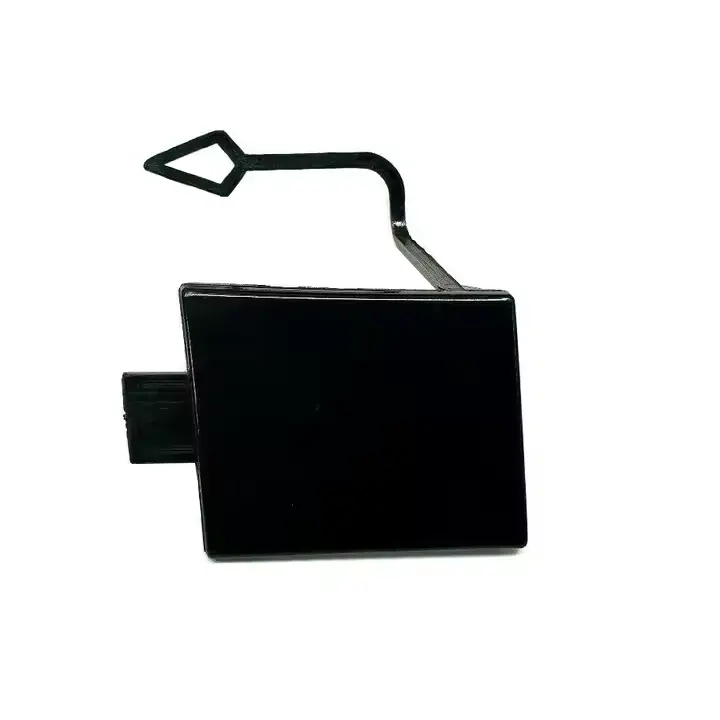
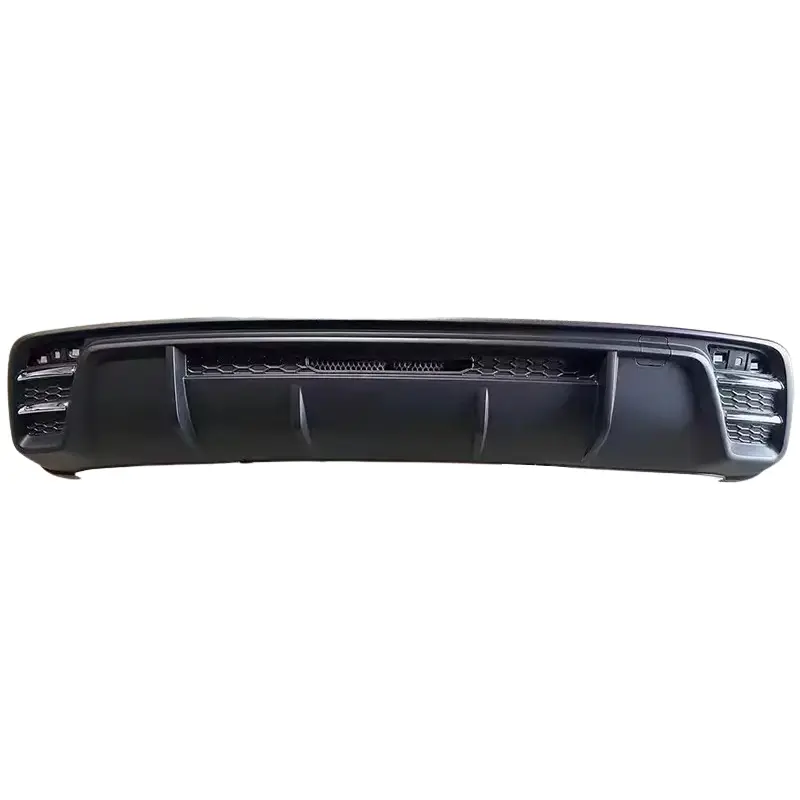
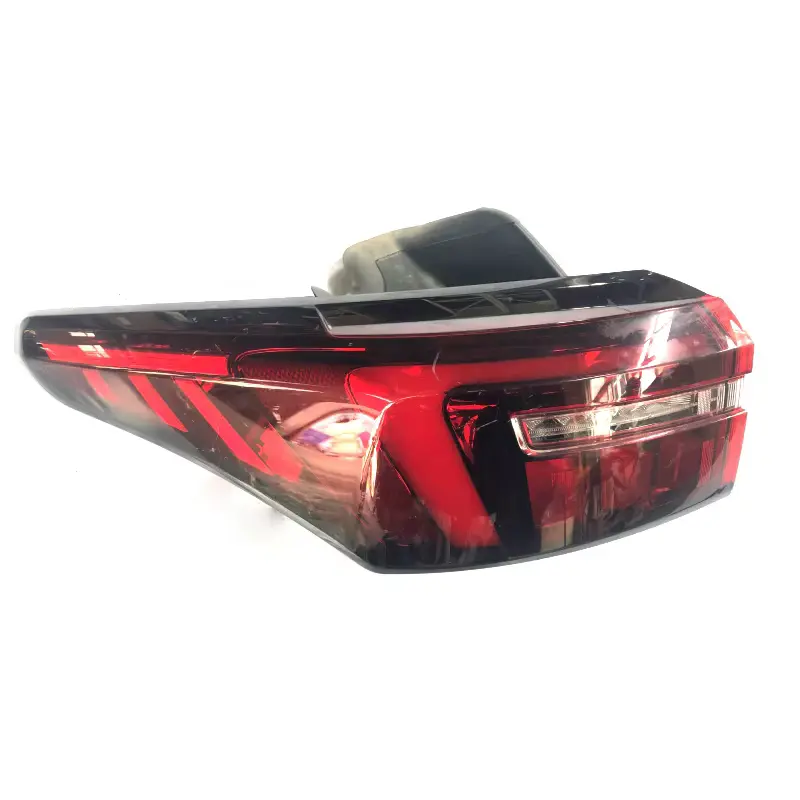
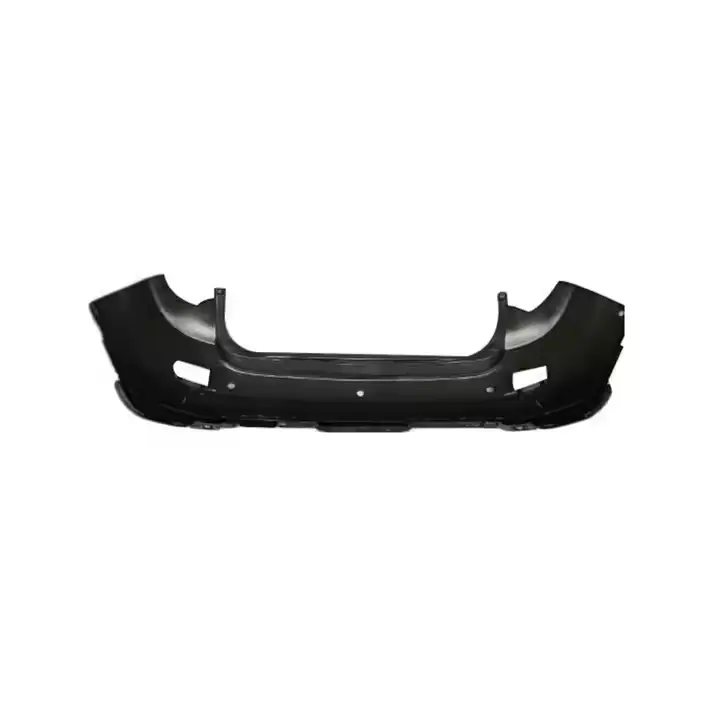
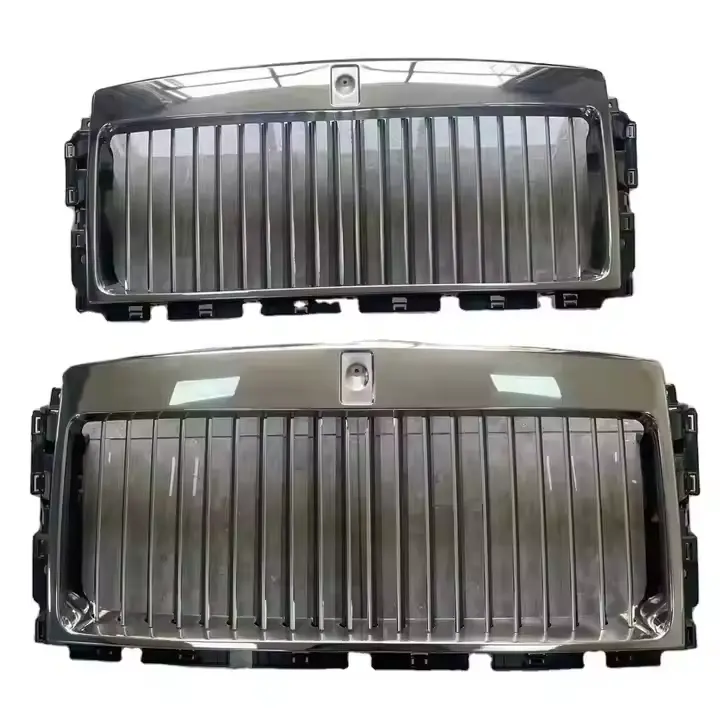
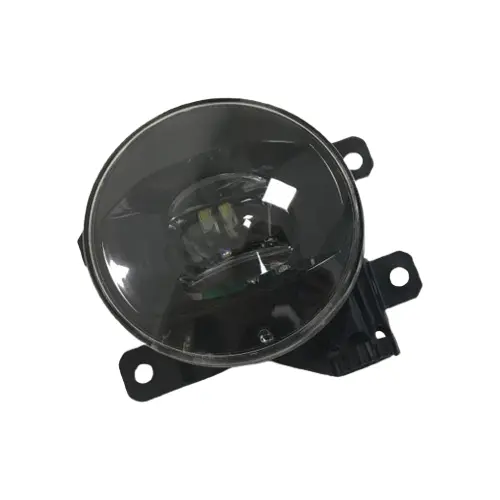
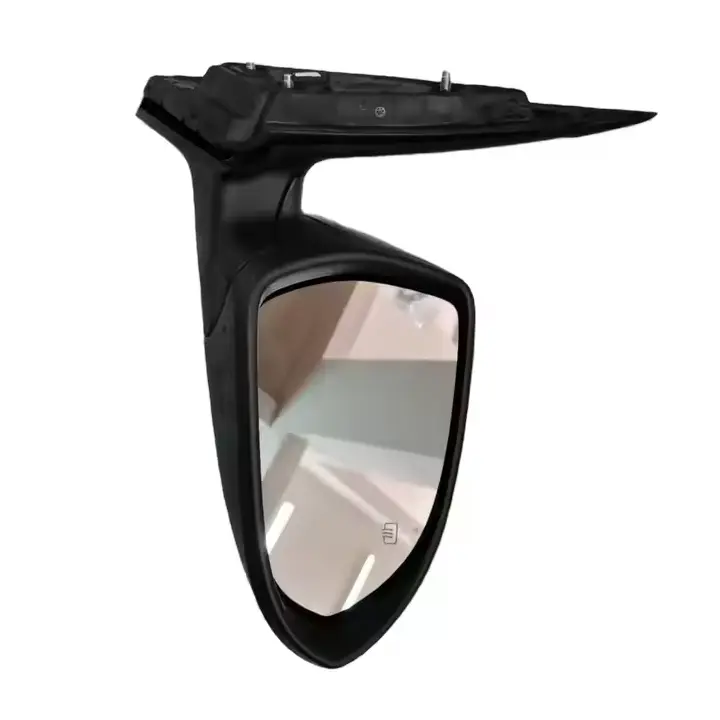
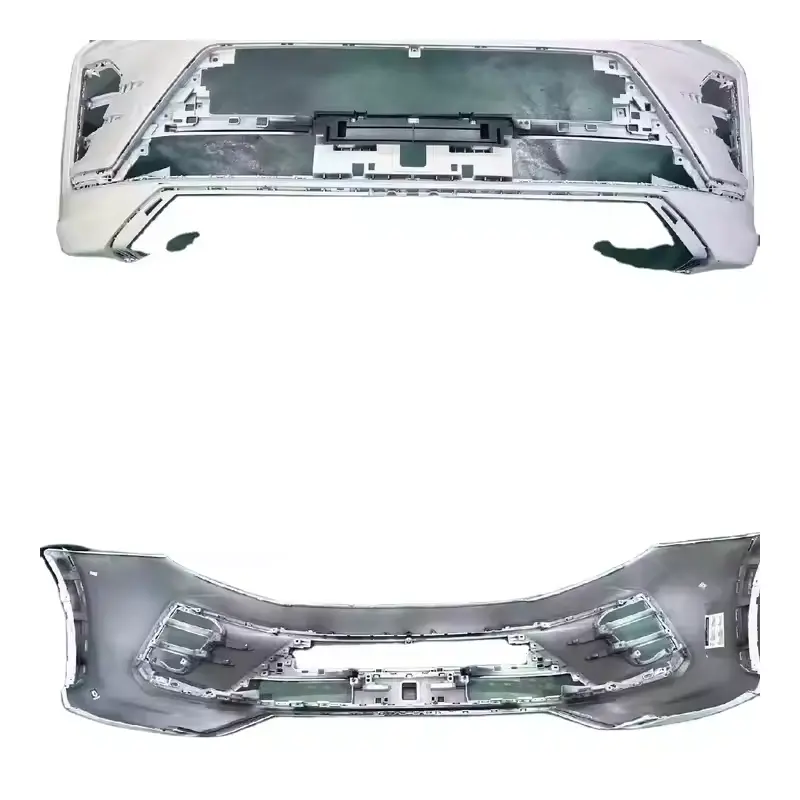
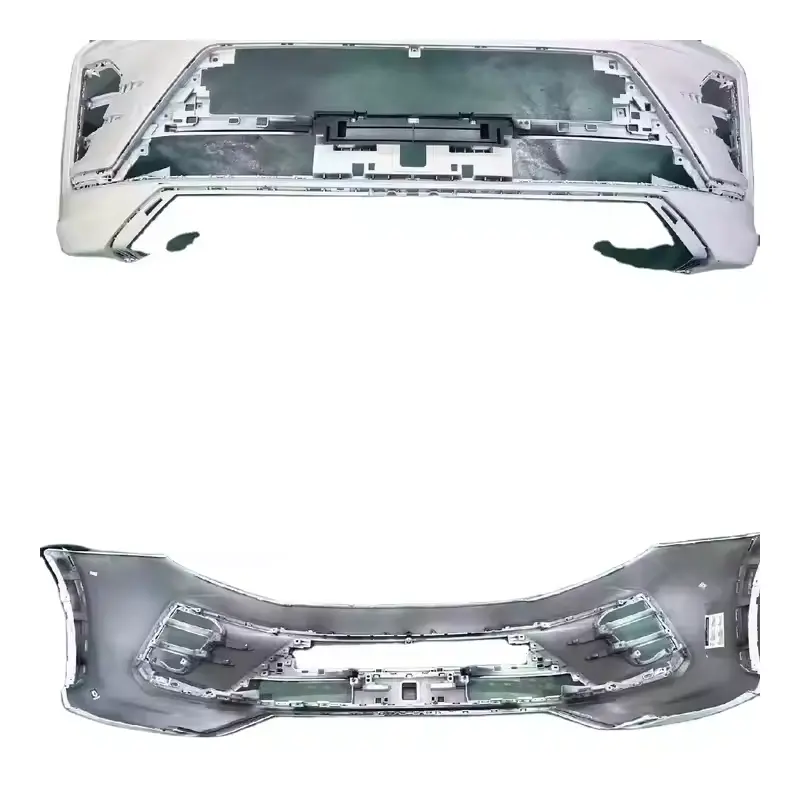
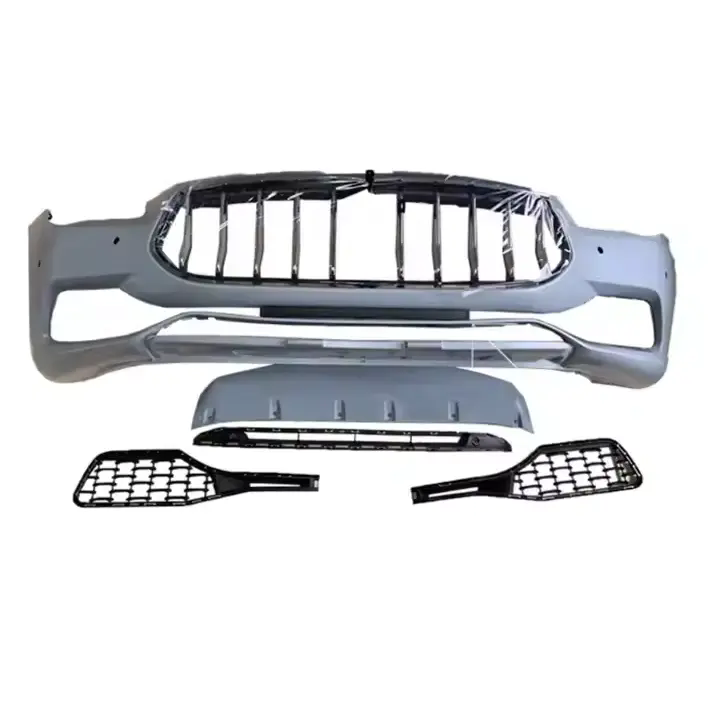
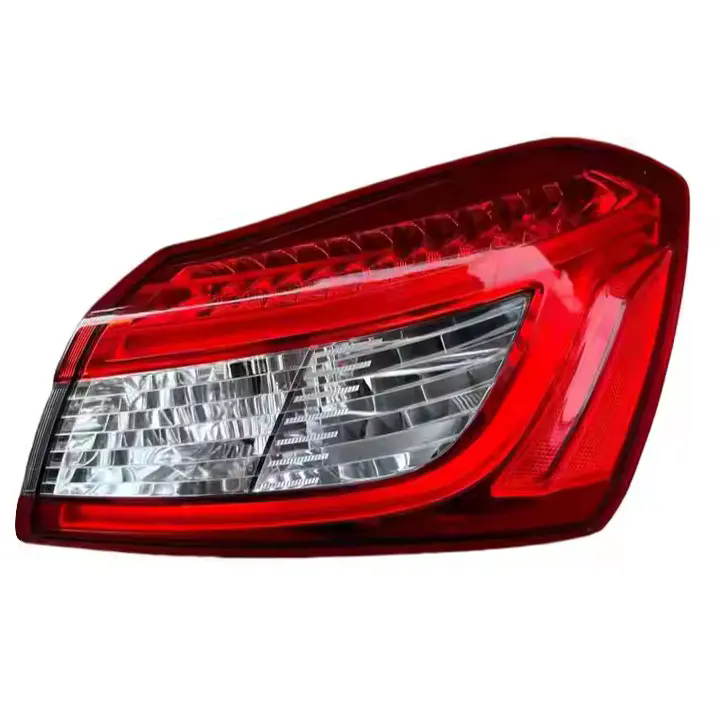
Body Parts for Maserati refer to exterior and structural vehicle components engineered to align with Maserati’s design language, aerodynamic requirements, and safety standards. These parts typically include bumpers, fenders, hoods, doors, grilles, side skirts, trunks, and reinforcement panels. The core focus of this article is to explain how these components are specified, how compatibility is determined across models such as Ghibli, Levante, Quattroporte, and GranTurismo, and how procurement decisions are influenced by evolving automotive trends.
Rather than emphasizing promotional language, this discussion concentrates on technical accuracy, material standards, and real-world application scenarios that matter to distributors, repair centers, and automotive professionals.
Table of Contents
- How Are Body Parts for Maserati Selected?
- How Do Technical Parameters Define Compatibility?
- How Do Body Parts Support Vehicle Performance?
- How Will Future Trends Shape Maserati Body Components?
- How Do Common Questions About Maserati Body Parts Get Answered?
- How Does Ningbo YC Support Global Supply Needs?
How Are Body Parts for Maserati Selected?
Selection of Body Parts for Maserati is based on model-specific geometry, production year, and platform architecture. Maserati utilizes modular vehicle platforms, but exterior body dimensions and mounting points vary significantly between sedans, SUVs, and sports coupes. As a result, parts selection requires precise reference to OEM drawings and part numbers.
Another critical factor is regional regulation. Body components supplied to North American, European, and Middle Eastern markets must align with different crash, pedestrian safety, and environmental standards. This directly affects bumper thickness, reinforcement materials, and surface coatings.
How Do Technical Parameters Define Compatibility?
Technical parameters determine whether Body Parts for Maserati can be installed without modification. These parameters are essential for avoiding fitment issues and ensuring long-term durability.
| Parameter | Specification Range | Professional Relevance |
|---|---|---|
| Material Type | Steel, Aluminum Alloy, ABS, PP Composite | Determines weight, corrosion resistance, and repairability |
| Surface Treatment | E-coating, Primer, Painted, Unpainted | Affects installation readiness and finish consistency |
| Manufacturing Tolerance | ±0.5 mm to ±1.0 mm | Ensures accurate alignment with OEM mounting points |
| Model Year Compatibility | Single-year or Multi-year Range | Prevents mismatch between facelift and pre-facelift designs |
| Installation Interface | Bolt-on, Clip-on, Hybrid | Impacts labor cost and replacement efficiency |
These parameters collectively define whether a body component meets professional installation expectations in collision repair and aftermarket distribution environments.
How Do Body Parts Support Vehicle Performance?
While body components are often perceived as cosmetic, Body Parts for Maserati also contribute to aerodynamics, noise control, and structural integrity. Front bumpers and underbody panels guide airflow to improve stability at high speeds. Door panels and trunk lids integrate sealing systems that reduce wind noise and water intrusion.
Structural body elements such as reinforcement bars and side panels also influence crash energy absorption. Correct material thickness and geometry are essential to maintaining the balance between weight reduction and safety compliance.
How Will Future Trends Shape Maserati Body Components?
Future development of Body Parts for Maserati is influenced by electrification, lightweight engineering, and sustainability goals. Increased use of aluminum and composite materials is expected to reduce overall vehicle mass. At the same time, design complexity is increasing due to integrated sensors, cameras, and aerodynamic features.
Another trend is modular replacement design, allowing damaged sections to be replaced independently rather than as complete assemblies. This approach reduces repair costs and supports environmentally responsible practices.
How Do Common Questions About Maserati Body Parts Get Answered?
Q: How can compatibility of Body Parts for Maserati be verified?
A: Compatibility is verified by cross-referencing OEM part numbers, vehicle identification data, and production year details to ensure correct alignment and mounting.
Q: How do material choices affect long-term durability?
A: Aluminum alloys offer corrosion resistance and reduced weight, while steel provides higher impact strength. Composite plastics balance flexibility and cost efficiency.
Q: How should body parts be stored before installation?
A: Components should be stored in dry, temperature-controlled environments to prevent deformation, surface oxidation, or coating degradation.
How Does Ningbo YC Support Global Supply Needs?
Within the global automotive aftermarket, Ningbo YC provides Body Parts for Maserati that align with international quality expectations and professional installation requirements. Through standardized production controls and market-oriented specifications, consistent supply is maintained for distributors and repair networks.
For businesses seeking reliable sourcing, technical consultation, or customized supply solutions, contact us to discuss specific model requirements and regional compliance considerations.
Related News
- Front Grille for GWM Haval New Jolion: A Practical Guide to Replacement, Selection, and Maintenance
- Front Bumper for Chery EXEED LX: A Complete Guide
- Why Is the Front Headlight for Geely Atlas Pro Essential for Safety and Style
- Why Is the Front Bumper for Chery EXEED LX an Essential Upgrade for Your Vehicle
- Why Is a Fender for Geely EMGRAND Essential for Vehicle Protection and Style
- Why Are Daily Running Lights for GWM HAVAL Jolion Essential for Safety and Style
Leave me a message