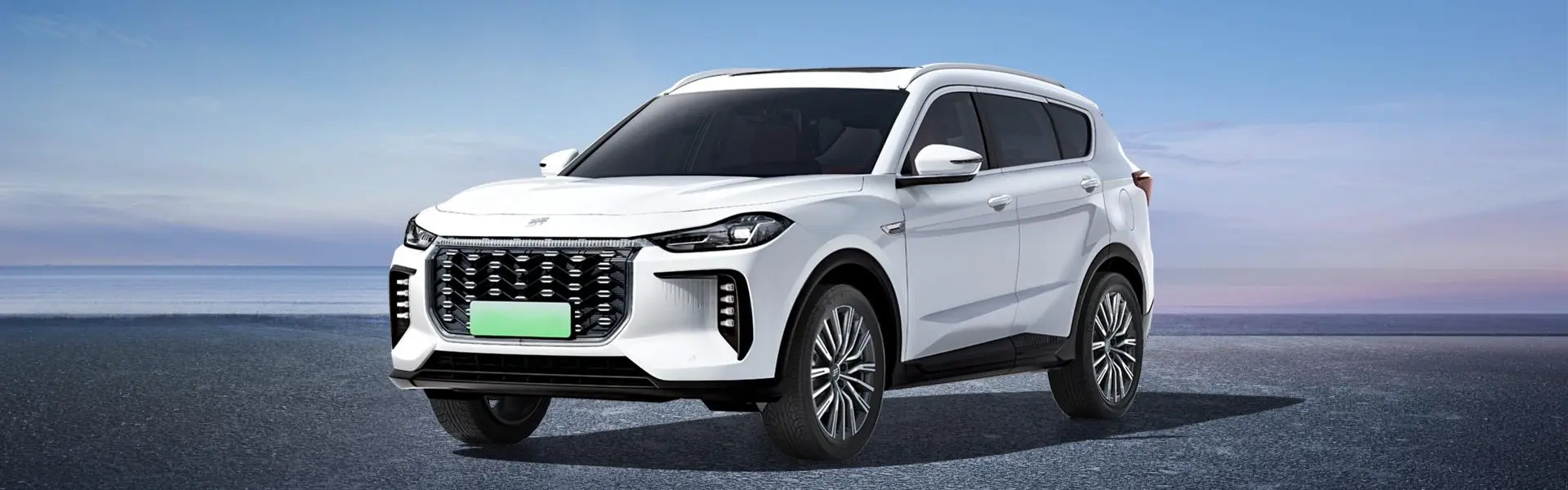
How to Choose the Right Body Parts for GWM Vehicles?
Article Summary: Choosing the right body parts for Great Wall Motor (GWM) vehicles can be challenging due to the diverse model lineup, varying OEM and aftermarket quality levels, and compatibility issues. This article provides a comprehensive guide to understanding key body components, how to assess quality, fitment considerations, installation advice, and cost management strategies. By the end of this article, you will have clear criteria to make confident decisions when selecting body parts for your GWM vehicle.
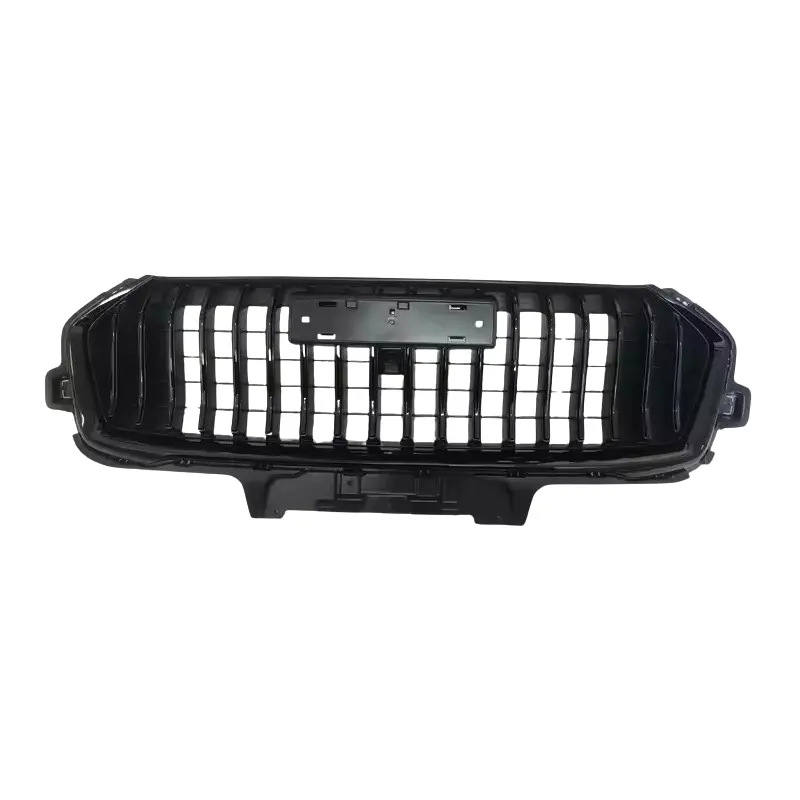
Table of Contents
- Understanding GWM Body Parts
- Key Criteria for Selecting Quality Body Parts
- Fitment and Compatibility Checks
- Installation and Maintenance Tips
- Cost Considerations and Sourcing Options
- Frequently Asked Questions
- Conclusion
Understanding GWM Body Parts
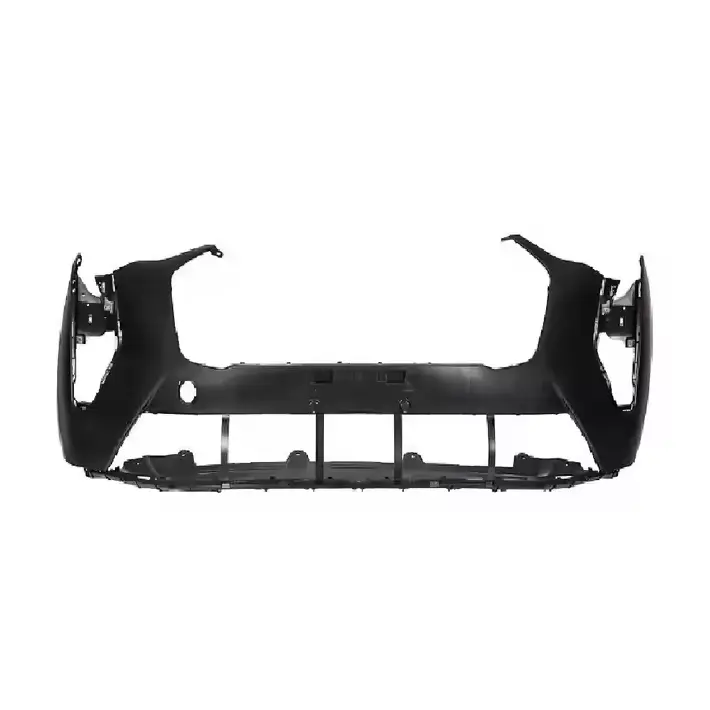
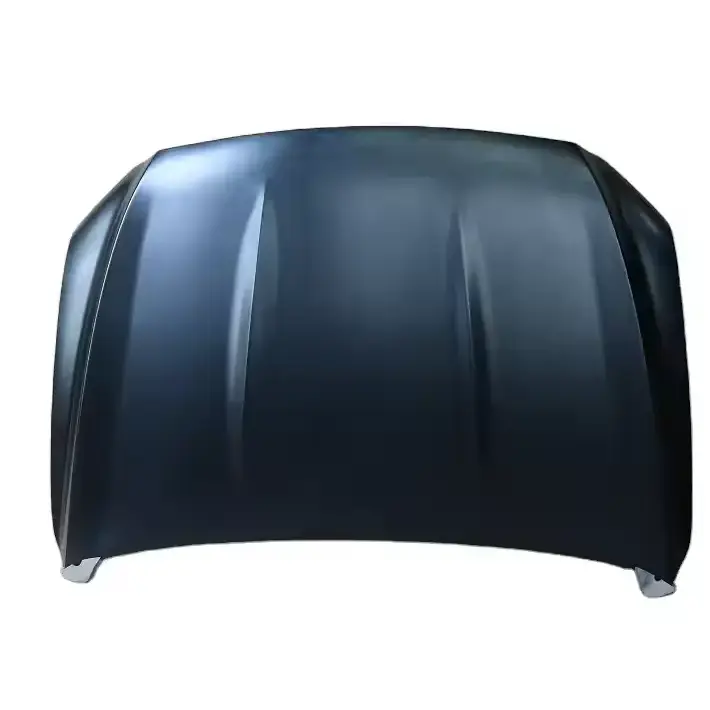
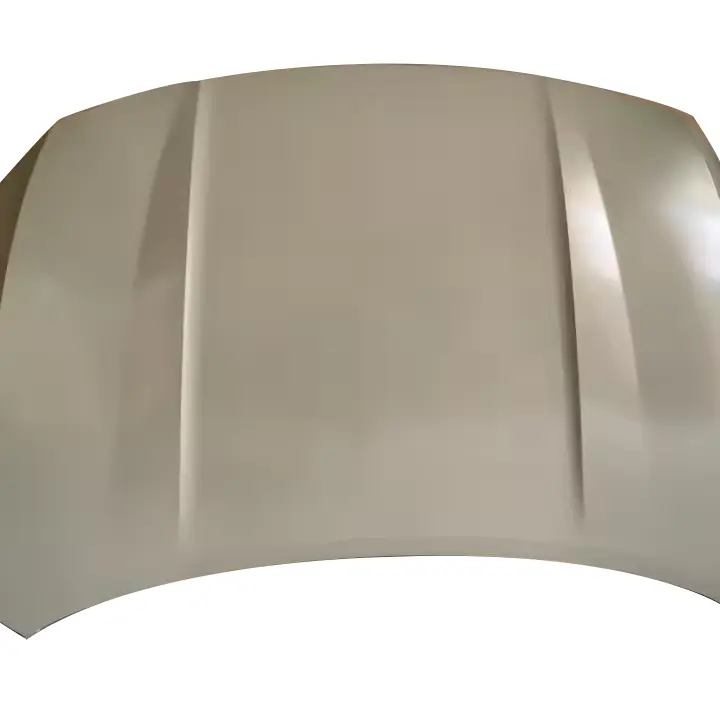
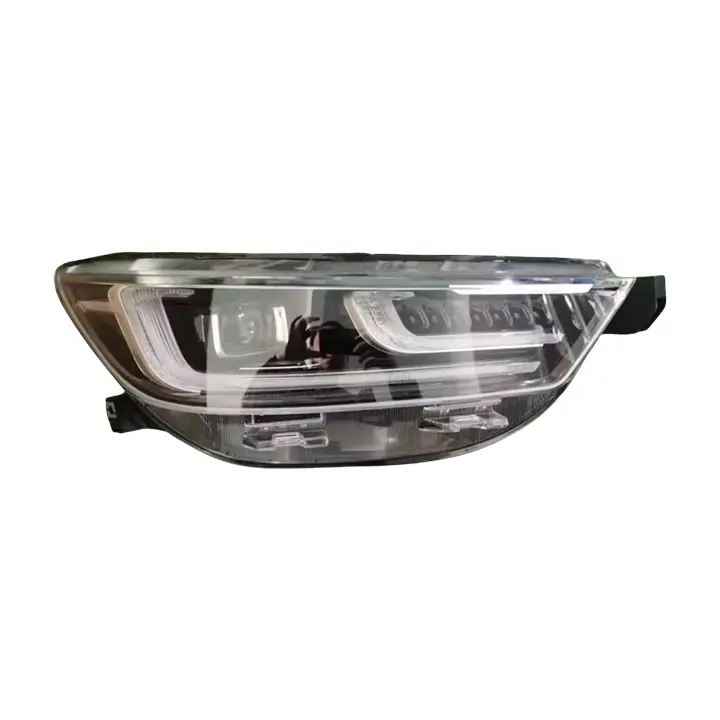
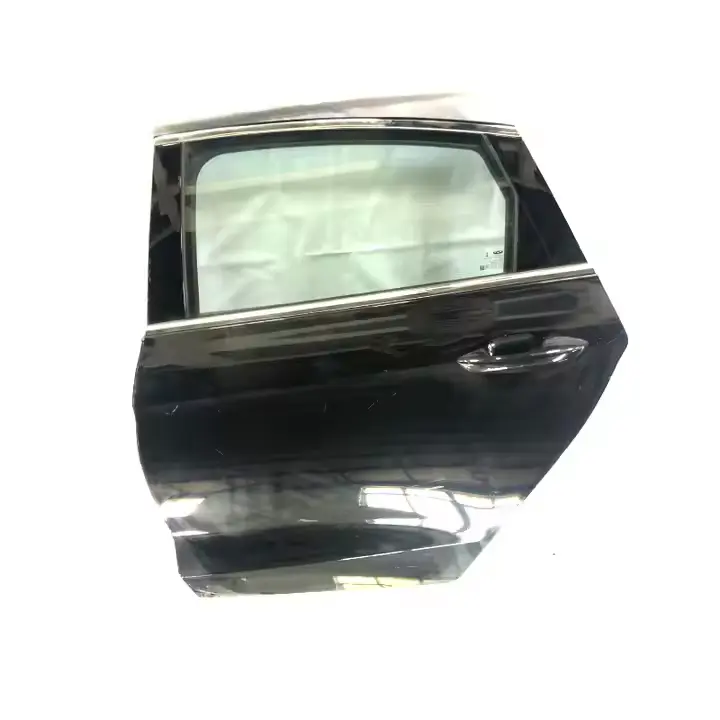
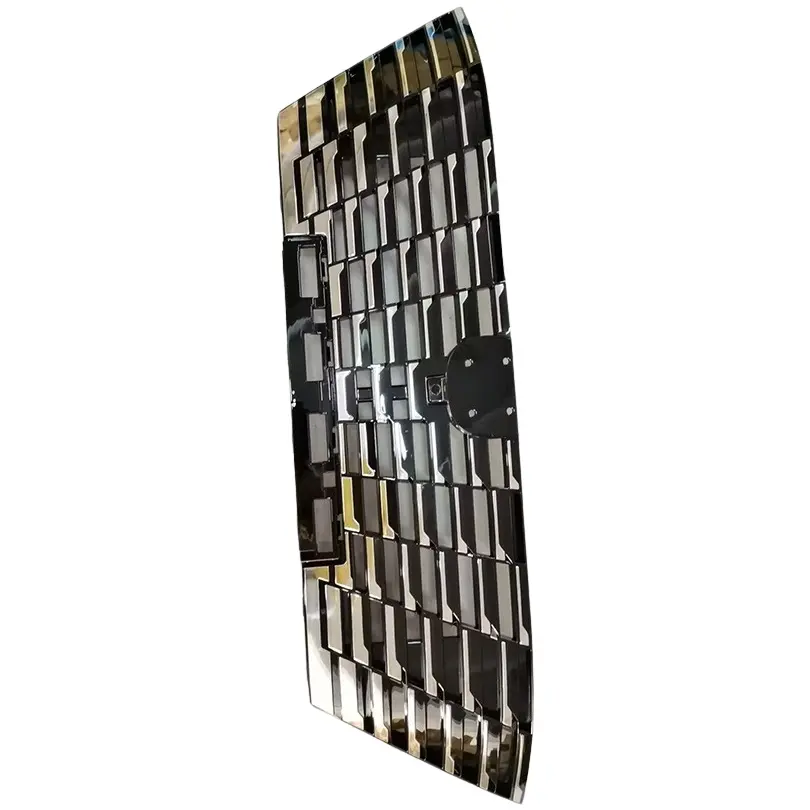
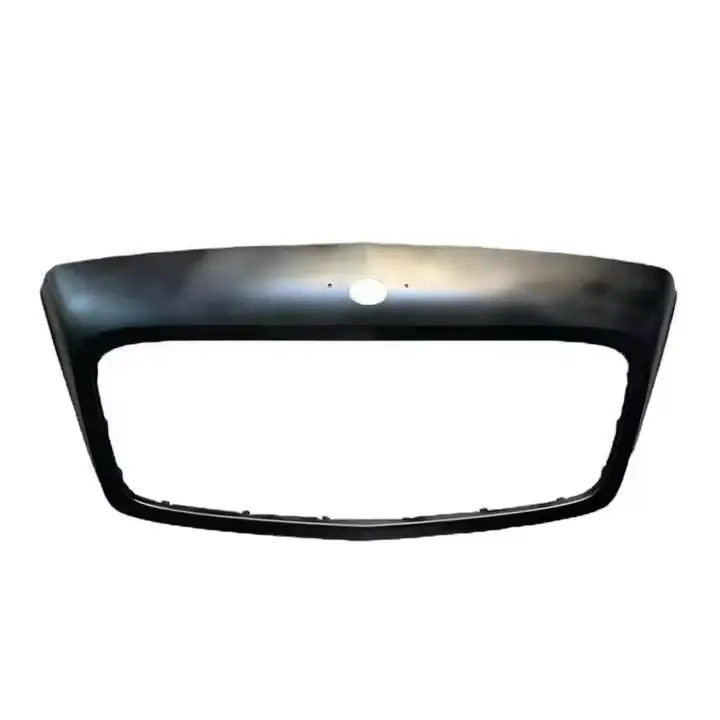
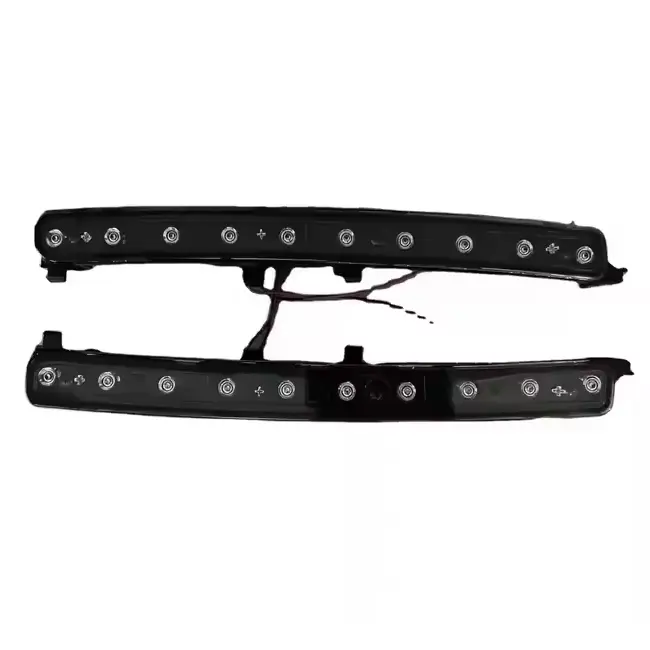
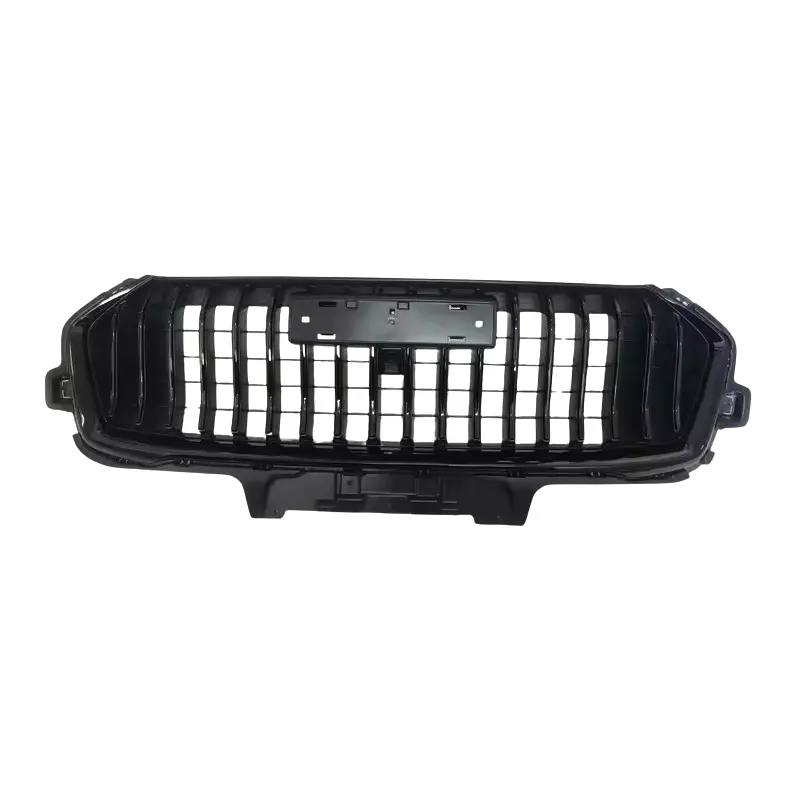
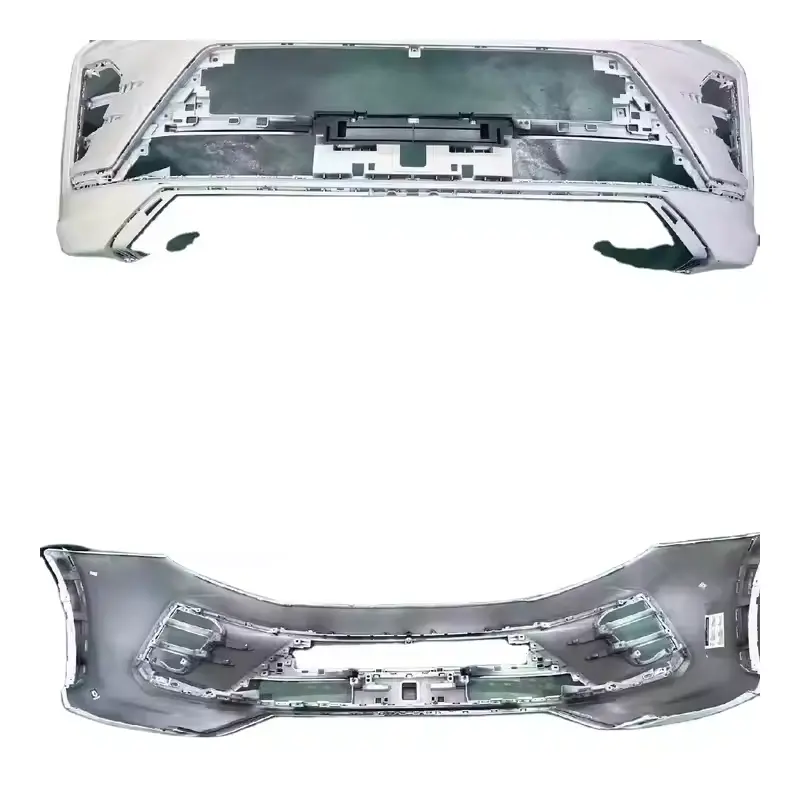
Body parts are the visible outer components of a vehicle that define its exterior shape, protect internal systems, and contribute to safety and aerodynamics. For Great Wall Motor (GWM) vehicles, body parts include panels, bumpers, doors, fenders, grilles, hoods, and more. These components must meet precise specifications to ensure safety, appearance, and performance.
There are two primary sources of body parts:
- Original Equipment Manufacturer (OEM) – Parts produced by the same manufacturers that supply GWM’s factory assembly lines. OEM parts typically guarantee fitment and consistent quality.
- Aftermarket – Parts produced by third-party manufacturers. Quality varies widely and must be assessed carefully.
Before purchasing body parts for your GWM vehicle, it is essential to understand the role of each component and how it interfaces with surrounding systems.
Key Criteria for Selecting Quality Body Parts
Selecting quality body parts is essential to maintain vehicle integrity, performance, and resale value. Following are key criteria to consider when evaluating options:
1. Material and Durability
- Metal panels should resist corrosion and withstand minor impacts.
- Plastic components should be UV-resistant and non-brittle.
- Look for rust-proof coatings and reinforcements where applicable.
2. Fitment Precision
Improper fitment can lead to alignment gaps, wind noise, and sealing issues. Ensure the part is designed specifically for your GWM model and year.
3. Finish Quality
Body parts often come primed or painted. Check surface smoothness, color consistency, and factory-grade paint thickness when purchasing painted components.
4. Impact on Safety Systems
Modern vehicles integrate sensors and safety systems into body panels and bumpers. Parts must be compatible with original sensors or pre-designed sensor mounts.
5. Warranty and Supplier Support
A warranty indicates confidence in product quality. Reputable suppliers also provide documentation, installation guidance, and after-sales support.
Fitment and Compatibility Checks
One of the most common pain points when purchasing body parts is ensuring compatibility. Here is a checklist to guide your fitment validation process:
| Checklist Item | What to Confirm |
|---|---|
| Model Year | Ensure the part matches your GWM vehicle’s exact year. |
| Trim Level | Some trims have different grille designs, bumper shapes, or sensor provisions. |
| Snapshot or Part Number | Always verify part numbers or provide vehicle VIN for accurate match. |
| Mounting Points | Check mounting locations and fasteners to avoid fitment gaps. |
Consult your vehicle’s service manual or OEM database when in doubt. Visual confirmation by comparing existing parts with supplier product photos is also recommended.
Installation and Maintenance Tips
Proper installation is as important as part selection. Incorrect installation can compromise safety and performance.
Installation Guidelines:
- Follow manufacturer or supplier-specific instructions if provided.
- Use torque specifications and recommended fasteners for panels.
- For complex parts like bumpers with integrated sensors, use alignment tools or trained technicians.
Maintenance Practices:
- Regularly wash and wax exposed body panels to protect finishes.
- Inspect seams and joints for early signs of wear, rust, or water infiltration.
- Re-tighten fasteners after initial road testing post-installation.
Professional installation ensures optimal fitment and minimizes costly adjustments later.
Cost Considerations and Sourcing Options
Cost is a central concern for most customers. Price varies depending on part type, material, finish, and source.
Cost Factors:
- OEM vs Aftermarket Pricing: OEM parts typically cost more due to guaranteed fitment and higher quality controls.
- Painted vs Unpainted: Pre-painted parts add labor and material costs.
- Shipping and Handling: Large body panels may incur higher logistics charges.
Below is a general comparison of common sources:
| Source | Pros | Cons |
|---|---|---|
| OEM Dealer | Guaranteed compatibility and warranty | Higher price |
| Authorized Supplier | Balanced quality and service | May require careful verification |
| Aftermarket Online Marketplace | Lower cost | Variable quality, risk of poor fitment |
Consider total cost including installation and long-term durability, not just upfront part price.
Frequently Asked Questions
Q: How do I verify a body part’s compatibility with my GWM vehicle?
Always cross-check the vehicle VIN, model year, and part number. If uncertain, consult with a qualified parts specialist or request technical confirmation from the supplier.
Q: Can aftermarket body parts match OEM quality?
Some aftermarket suppliers produce high-quality parts on par with OEM standards. Review customer feedback, material specifications, and warranty terms before purchasing.
Q: Should I choose painted or unpainted parts?
If color match and finish quality are priorities, painted parts can save time. Ensure the supplier’s paint code matches your vehicle’s factory color for seamless integration.
Q: What should I do if a body part arrives damaged?
Document the damage with photographs and contact the supplier immediately. Reputable suppliers will provide return, replacement, or refund options based on their policies.
Conclusion
Selecting the right body parts for GWM vehicles requires attention to fitment details, material quality, finish standards, and supplier reliability. Whether you select OEM or high-quality aftermarket components, ensure precise compatibility and professional installation to maintain vehicle value and performance. Ondemand sourcing and thorough verification can reduce risks and enhance satisfact offers a comprehensive range of body parts designed to meet the exact specifications of your GWM vehicle. From panels and bumpers to doors and hoods, our inventory balances quality, fitment precision, and cost-effectiveness to support your maintenance and repair needs.
If you want expert guidance on choosing the right body parts for your vehicle or need a tailored quote, please contact us and our team will assist you promptly with professional support and competitive pricing.
Related News
- Front Grille for GWM Haval New Jolion: A Practical Guide to Replacement, Selection, and Maintenance
- Front Bumper for Chery EXEED LX: A Complete Guide
- Why Is the Front Headlight for Geely Atlas Pro Essential for Safety and Style
- Why Is the Front Bumper for Chery EXEED LX an Essential Upgrade for Your Vehicle
- Why Is a Fender for Geely EMGRAND Essential for Vehicle Protection and Style
- Why Are Daily Running Lights for GWM HAVAL Jolion Essential for Safety and Style
Leave me a message