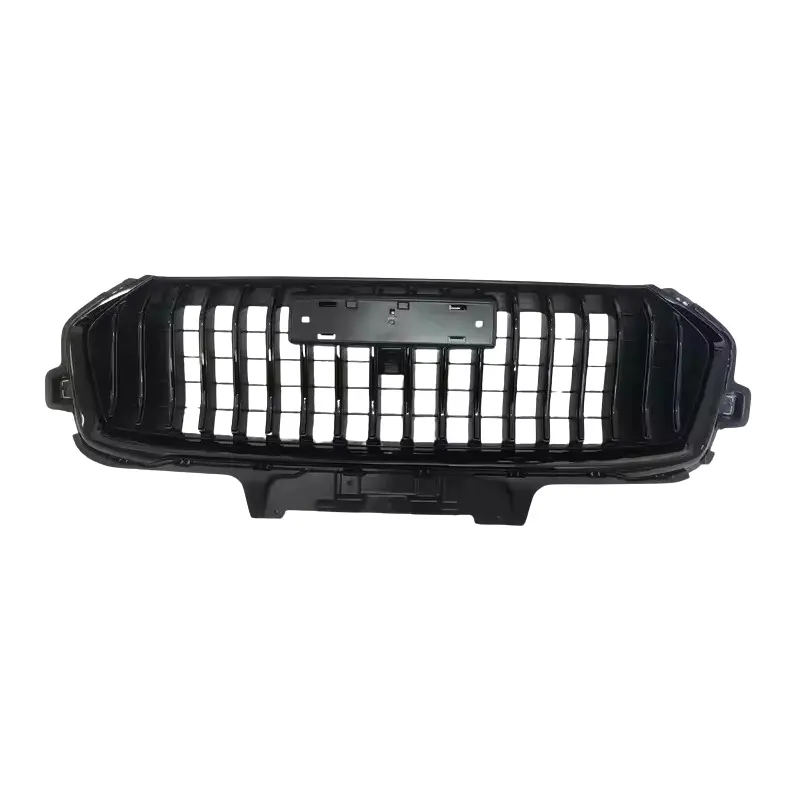
How to Choose the Right Grille for Chery Jetour for Reliable Fitment and Appearance?
A front grille is an important exterior component of a Chery Jetour vehicle. It contributes to the vehicle's distinctive front-end appearance while allowing air to enter the engine cooling area and providing support for certain front-end components. For automotive parts distributors, wholesalers, repair shops, and vehicle owners, selecting the correct grille involves more than matching its general shape.Different Jetour models, production years, trim levels, and front bumper configurations may use different grille designs. Incorrect fitment can lead to installation difficulties, uneven gaps, damaged mounting clips, or an inconsistent appearance. This guide explains how to identify, select, inspect, install, and maintain a suitable grille for Chery Jetour, helping buyers make more confident purchasing decisions and reduce unnecessary replacement costs.
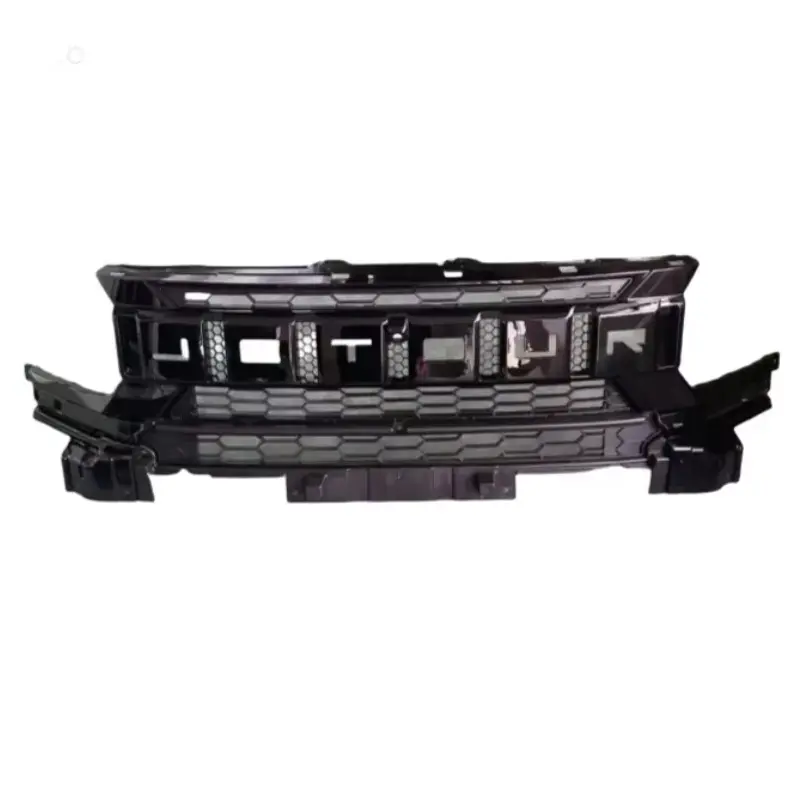
Table of Contents
- What Is a Grille for Chery Jetour?
- Why the Front Grille Matters
- Common Types of Chery Jetour Grilles
- How to Identify the Correct Grille
- Materials and Manufacturing Quality
- Key Features of a Quality Replacement Grille
- How to Install a Chery Jetour Front Grille
- Common Grille Problems and Solutions
- How to Maintain a Vehicle Grille
- How to Choose a Reliable Grille Supplier
- Purchasing Checklist for B2B Buyers
- Frequently Asked Questions
- Conclusion
1. What Is a Grille for Chery Jetour?
A grille for Chery Jetour is an exterior automotive component installed at the front of the vehicle, generally between or below the headlights and within the front bumper assembly. It is commonly called a front grille, radiator grille, or front radiator grille.
Its primary purpose is to provide an opening through which air can enter the front cooling area. Depending on the vehicle's design, it may also help protect the radiator and other components from larger road debris while contributing to the overall appearance of the front fascia.
As part of the Chery Jetour vehicle lineup, models such as the X70, X70 PLUS, X90, and T2 have distinct exterior styling and component configurations. Their grille assemblies should not be assumed to be interchangeable simply because they belong to the same vehicle brand.
For example, automotive parts catalogues list different front grille references for Jetour X70 and X70 PLUS applications, while the Jetour T2 has its own grille reference. This illustrates why model-specific identification is essential when purchasing replacement parts.
Important purchasing point: A grille that looks similar to the original component may still have different dimensions, mounting points, trim details, or sensor openings. Always verify the exact vehicle application before ordering.
Where Is the Grille Located?
The main front grille is usually positioned in the center of the vehicle's front fascia. Depending on the design, the front assembly may also contain separate lower bumper grilles, side air intake grilles, decorative inserts, and other trim pieces.
These components may look similar but have different functions and installation positions. Buyers should identify whether they need a complete front grille assembly or only an individual grille insert.
2. Why the Front Grille Matters
Although a grille is often considered a styling component, it has several practical functions. Choosing an appropriate replacement can help maintain the vehicle's appearance and preserve the intended front-end configuration.
01. Airflow Management
The grille opening allows air to reach the front cooling area according to the vehicle's original design.
02. Component Protection
Its structure can help reduce the direct entry of larger road debris into the front-end area.
03. Exterior Appearance
The grille is a prominent styling feature that influences the vehicle's overall front-end identity.
04. Structural Integration
Mounting points and surrounding trim help the grille fit into the original bumper assembly.
05. Replacement Flexibility
A suitable replacement grille can restore the vehicle's appearance after damage or wear.
06. Vehicle Value
Maintaining the exterior in good condition can support the vehicle's overall presentation and resale appeal.
For vehicle owners, a damaged grille can make the front of a vehicle look incomplete. For repair businesses and parts distributors, an incorrect grille can result in returns, additional labor, and customer complaints. Correct identification is therefore important for both appearance and business efficiency.
3. Common Types of Chery Jetour Grilles
Chery Jetour vehicles may use different grille structures depending on their model, trim level, production year, and front-end styling. Understanding these differences helps buyers communicate their requirements more accurately.
3.1 Main Front Radiator Grille
The main front radiator grille is generally the most recognizable grille component. It is usually installed in the central area of the front fascia and is designed to match the vehicle's original styling.
Its shape, mesh pattern, decorative finish, and mounting structure can vary between vehicle models. When replacing this component, buyers should compare the overall dimensions and attachment positions with the original part.
3.2 Lower Bumper Grille
The lower bumper grille is installed in the lower section of the front bumper. It may have a different mesh design from the upper grille and can help manage airflow through the lower front opening.
Some vehicle configurations also include separate side grille inserts or decorative covers. These should be identified by their exact position rather than being grouped together as a complete front grille.
3.3 Decorative or Modified Grille
Some replacement grilles are designed to change the vehicle's exterior appearance. They may feature different mesh patterns, black finishes, decorative trim, or customized styling elements.
However, appearance modifications should not compromise mounting security, airflow requirements, or compatibility with the original vehicle equipment.
3.4 Model-Specific Grille Applications
When sourcing grilles for different Jetour vehicles, buyers should pay particular attention to model-specific details.
| Vehicle Model | Grille Identification | Important Considerations |
|---|---|---|
| Jetour X70 | Model-specific front grille assembly | Check production year, OE reference, and front fascia design. |
| Jetour X70 PLUS | Dedicated grille configuration | Confirm trim details and mounting structure. |
| Jetour X90 | Model-specific front grille | Verify bumper compatibility and grille dimensions. |
| Jetour T2 | Dedicated front grille design | Check the correct model year and OE part reference. |
This overview is intended for initial identification only. It does not mean that all production years or trim versions share the same grille. Always confirm the actual part number and vehicle application before placing an order.
4. How to Identify the Correct Grille for Chery Jetour
Incorrect fitment is one of the most common concerns when sourcing automotive exterior parts. A grille may appear suitable in a product photograph but still fail to match the vehicle's mounting points or front bumper shape.
The following steps can help buyers reduce identification errors.
Step 1: Confirm the Vehicle Model
Start by identifying the exact Jetour model, such as X70, X70 PLUS, X90, or T2. Avoid using only the general description "Chery Jetour" when communicating with a supplier.
For vehicles with different trim levels, confirm whether the front bumper and grille design have changed between configurations.
Step 2: Check the Production Year
Vehicle manufacturers may update exterior styling during a model refresh. Even when two vehicles carry the same model name, their grille dimensions, decorative details, and mounting structures may differ.
Provide the production year and, when available, the vehicle identification number (VIN) to support accurate checking.
Step 3: Find the OE Part Number
The original equipment part number is one of the most useful references for identifying an automotive grille.
For example, available aftermarket catalogues list F01-8401111NA for a Jetour X70 front grille and F18-8401100FA for an X70 PLUS radiator grille application. These are model-specific references and should be verified against the vehicle before ordering.
When an original part number is unavailable, provide clear photographs of the existing grille, including the front, rear, mounting clips, and any visible identification labels.
Step 4: Compare Physical Dimensions
Check the grille's overall length, height, depth, mounting positions, and connection points. For assemblies with multiple sections, confirm whether all required pieces are included.
Step 5: Confirm Special Features
Some grille designs may incorporate openings or provisions for vehicle-specific equipment. Depending on the configuration, these may include cameras, radar sensors, badges, decorative lighting, or other accessories.
Confirm whether the replacement grille supports the original equipment layout. A grille with an incorrect sensor opening or badge position may require additional modifications and may not be suitable for direct replacement.
Recommended fitment information: Vehicle model + production year + VIN (when available) + OE number + front grille photographs. Providing these details before ordering helps suppliers identify the correct part more efficiently.
5. Materials and Manufacturing Quality
The material used in an automotive grille influences its weight, impact resistance, dimensional stability, surface appearance, and durability. For overseas buyers, understanding material differences is useful when comparing replacement products.
5.1 ABS Plastic
ABS plastic is commonly used in automotive exterior components because it offers a practical balance of toughness, impact resistance, processing flexibility, and surface finishing possibilities.
It can be molded into complex grille shapes with decorative details and mounting structures. The quality of the material formulation and molding process influences the final product's strength and dimensional accuracy.
5.2 Polypropylene (PP)
Polypropylene is another material used in automotive exterior parts. It is relatively lightweight and offers good chemical resistance and flexibility. Its suitability depends on the component's design, required stiffness, environmental conditions, and manufacturing specifications.
5.3 Painted and Chrome-Finished Surfaces
Some grilles use painted, coated, or chrome-effect decorative surfaces to achieve a specific exterior appearance. These finishes should provide consistent color, uniform coverage, and good adhesion.
For buyers importing products in bulk, surface consistency is especially important because visible differences between individual pieces can affect customer satisfaction.
Material Comparison
| Material or Finish | Typical Characteristics | Inspection Focus |
|---|---|---|
| ABS Plastic | Good toughness and molding flexibility. | Surface quality, strength, and dimensional accuracy. |
| PP Plastic | Lightweight and relatively flexible. | Stiffness, deformation, and molding consistency. |
| Painted Finish | Provides color and surface protection. | Color consistency, adhesion, and scratches. |
| Chrome-Effect Finish | Creates a decorative metallic appearance. | Coating uniformity, peeling, and discoloration. |
There is no single material that is ideal for every grille application. The correct specification should follow the original vehicle design and the intended operating environment.
6. Key Features of a Quality Replacement Grille
When purchasing a grille for Chery Jetour, buyers should evaluate more than the product's appearance. Several details can indicate whether a replacement component is suitable for professional distribution and installation.
Accurate Dimensions and Mounting Points
The grille should match the original installation structure. Mounting holes, clips, brackets, and edge profiles need to align correctly with the corresponding vehicle components.
Consistent Surface Quality
Visible defects such as scratches, uneven coatings, excessive molding marks, color differences, and surface deformation should be checked before shipment.
Stable Construction
The grille should maintain its intended shape during handling and normal vehicle operation. Weak clips, brittle sections, and poorly finished edges may increase the risk of installation damage.
Compatible Decorative Details
Badge openings, trim sections, mesh patterns, and sensor provisions should correspond to the original vehicle configuration. These details are particularly important for replacement parts intended to restore factory appearance.
Protective Packaging
Automotive grilles are relatively large exterior components with exposed surfaces and projecting mounting points. Appropriate packaging can reduce scratches, deformation, and damage during international transportation.
7. How to Install a Chery Jetour Front Grille
Installation procedures vary according to the vehicle model and grille assembly. Some replacement jobs may require removing the front bumper, while others may allow access through existing service openings. Always follow the vehicle manufacturer's repair instructions.
Step 1: Prepare the Vehicle
Park the vehicle on a level surface, switch off the engine, and allow the front area to cool. Disconnect the battery when required by the vehicle manufacturer's procedure, particularly when working near electrical components.
Step 2: Inspect the Existing Grille
Examine the damaged component and surrounding bumper area. Identify broken clips, cracked brackets, damaged fasteners, and any connected accessories that need to be transferred.
Step 3: Remove Necessary Components
Depending on the design, remove the relevant bumper fasteners, trim panels, or front bumper assembly using appropriate tools. Avoid forcing clips or pulling components in a way that could damage surrounding parts.
Step 4: Remove the Old Grille
Release the original grille's retaining clips and fasteners carefully. Keep reusable hardware organized and compare the removed component with the replacement before proceeding.
Step 5: Test-Fit the Replacement
Position the new grille and check the alignment of mounting holes, edges, clips, and decorative sections. Confirm that the grille sits evenly without excessive force or visible gaps.
Step 6: Secure the Grille
Install the appropriate clips and fasteners according to the manufacturer's instructions. Avoid overtightening screws or forcing plastic mounting points into position.
Step 7: Reassemble and Inspect
Reinstall removed components and verify that the bumper, headlights, trim, and other surrounding parts are correctly aligned. Check any transferred sensors, cameras, or electrical accessories for proper operation.
Installation reminder: Some modern vehicles use integrated cameras, radar sensors, or driver-assistance equipment near the front grille. If these components are disturbed, follow the manufacturer's inspection and calibration requirements. Professional installation is recommended when specialized equipment or calibration is necessary.
8. Common Grille Problems and Solutions
Front grilles are exposed to road debris, temperature changes, weather conditions, and minor impacts. Understanding common problems helps vehicle owners and repair professionals determine whether cleaning, repair, or replacement is appropriate.
| Common Problem | Possible Cause | Recommended Solution |
|---|---|---|
| Cracked Grille | Stone impact, collision, or material fatigue. | Inspect the damage and replace the grille when structural integrity is affected. |
| Broken Mounting Clips | Incorrect removal, impact, or aging plastic. | Replace damaged clips or the grille assembly as appropriate. |
| Loose Installation | Missing fasteners or incorrect fitment. | Check mounting points and install compatible fasteners. |
| Faded Appearance | UV exposure, weathering, or coating deterioration. | Use suitable cleaning and care products or replace the affected component. |
| Uneven Gaps | Wrong grille model, distorted bumper, or incorrect installation. | Verify part compatibility and inspect the surrounding structure. |
| Damaged Mesh | Road debris, collision, or external pressure. | Replace the damaged grille insert if a compatible separate part is available. |
One important point is that a grille should not always be replaced in isolation after a collision. The bumper brackets, radiator support, and nearby components should also be inspected to determine whether the damage extends beyond the visible exterior surface.
9. How to Maintain a Chery Jetour Grille
Regular maintenance can help preserve the grille's appearance and reduce the accumulation of dirt and debris in its openings.
Clean the Surface Regularly
Use clean water, a soft microfiber cloth, and a suitable automotive cleaning product. Avoid aggressive brushes or abrasive materials that may scratch painted or decorative surfaces.
Remove Insects and Road Debris
Insects, mud, leaves, and other debris can accumulate around the grille openings. Remove them carefully to maintain a clean appearance and avoid unnecessary obstruction of the airflow path.
Inspect Mounting Points
Check for loose sections, missing clips, cracks, and abnormal movement. Early inspection can help prevent a small installation issue from developing into a larger problem.
Protect Decorative Finishes
Use cleaning and protection products suitable for the grille's actual surface finish. Strong solvents and unsuitable chemicals may damage coatings or plastic materials.
Check After Minor Collisions
Even a low-speed impact can damage hidden clips or brackets. Inspect the grille and surrounding bumper area after any front-end impact, even if the visible damage appears minor.
Maintenance tip: Avoid using high-pressure water directly at close range on delicate grille finishes, loose trim, or exposed electrical components. Follow the vehicle manufacturer's exterior cleaning recommendations.
10. How to Choose a Reliable Grille Supplier
For overseas automotive parts buyers, finding a supplier that offers consistent product quality and accurate fitment information is just as important as finding a competitive price.
Check Product Coverage
A supplier serving the Chery Jetour aftermarket should be able to identify the specific models and grille references it can provide. Ask for a product catalogue, application list, and available part numbers.
Evaluate Fitment Verification
Professional sourcing should involve checking OE references, vehicle information, and product photographs rather than relying only on general model descriptions.
Review Product Quality Control
Ask how the supplier checks dimensions, mounting clips, surface finishes, and packaging before shipment. For repeat orders, consistent specifications are particularly important.
Ask About OEM and Customized Requirements
Depending on the supplier's capabilities, buyers may need specific packaging, labels, product finishes, or other customization requirements. Confirm what can actually be supported before placing an order.
Evaluate Communication and After-Sales Support
Clear communication about part numbers, stock status, lead times, packaging, and replacement policies helps reduce purchasing uncertainty. A supplier should be able to clarify technical details before confirming an order.
11. Purchasing Checklist for B2B Buyers
Automotive distributors, wholesalers, importers, and repair businesses often purchase multiple grille models in one order. A standardized checklist can help prevent mistakes during product selection and shipment preparation.
Product Identification
- Confirm the Chery Jetour vehicle model.
- Confirm the production year and trim level.
- Obtain the OE part number whenever possible.
- Check whether the product is an upper grille, lower grille, or complete assembly.
- Compare product photographs and mounting positions.
Product Quality
- Confirm the specified material and surface finish.
- Check dimensions and mounting clip positions.
- Inspect for cracks, scratches, and deformation.
- Verify decorative details and sensor openings.
- Confirm protective packaging requirements.
Commercial and Logistics Details
- Confirm MOQ and unit price.
- Check available stock and production lead time.
- Confirm sample availability if required.
- Discuss bulk order packaging and shipping arrangements.
- Clarify the product warranty and after-sales policy.
Why Is Accurate Product Information Important for Importers?
When importing automotive exterior parts, one incorrect product reference can affect an entire batch of orders. Incorrect fitment may lead to returns, extra freight expenses, warehouse handling costs, and reduced customer confidence.
Providing complete application details before ordering helps suppliers confirm the correct products and allows buyers to manage inventory more effectively.
12. Frequently Asked Questions
Q1. What is a grille for Chery Jetour?
A grille for Chery Jetour is a front-end automotive component designed for specific Jetour vehicle applications. It provides an airflow opening, contributes to front-end protection, and forms an important part of the vehicle's exterior styling.
Q2. Are Chery Jetour X70 and X70 PLUS grilles interchangeable?
Not necessarily. Although these vehicles belong to the same model family, their grille designs, part references, and mounting structures may differ. Confirm the OE number, production year, and vehicle configuration before purchasing.
Q3. How can I find the correct grille part number?
Check the original part label, vehicle repair documentation, or an automotive parts catalogue. You can also provide the VIN and photographs of the existing grille to a supplier for fitment verification.
Q4. What material is commonly used for automotive front grilles?
ABS and polypropylene (PP) are common materials for automotive exterior components. The appropriate material depends on the original design, required strength, flexibility, surface finish, and operating environment.
Q5. Can I replace only the lower grille?
In many vehicle configurations, the lower bumper grille is a separate component and may be replaced independently. However, this depends on the original assembly design and the availability of the individual replacement part.
Q6. Does replacing a front grille affect the vehicle's cooling performance?
A replacement grille should maintain the original design's intended airflow characteristics. An incorrectly designed or excessively obstructive grille may affect airflow to the cooling area, so suitable fitment and construction are important.
Q7. How do I know whether a replacement grille will fit?
Compare the OE number, vehicle model, production year, mounting points, dimensions, and product photographs. When possible, request supplier confirmation before placing an order.
Q8. Can a damaged grille be repaired?
Minor cosmetic damage may sometimes be repairable, depending on the material and location. However, significant cracks, broken mounting points, and structural damage generally make replacement a more reliable option.
Q9. What should wholesalers consider when buying Jetour grilles in bulk?
Wholesalers should evaluate model coverage, OE number accuracy, material specifications, product consistency, packaging, MOQ, lead time, and after-sales support. Accurate fitment information is particularly important for reducing returns.
Q10. What information should I provide when requesting a quotation?
Provide the vehicle model, production year, OE number if available, required quantity, product photographs, destination country, and any special packaging or customization requirements. These details help the supplier prepare a more accurate quotation.
Conclusion: Make the Right Choice for Your Chery Jetour Grille
Choosing the right grille for Chery Jetour involves more than selecting a product with a similar appearance. Vehicle model, production year, OE reference, material, dimensions, mounting structure, and surface finish all influence replacement compatibility and long-term satisfaction.
For vehicle owners, the correct grille helps restore the original front-end appearance and intended component configuration. For automotive parts wholesalers, distributors, and importers, accurate product identification helps reduce fitment errors, unnecessary returns, and additional logistics costs.
Before placing an order, always verify the vehicle application and compare the replacement product with the original component. Working with a knowledgeable automotive parts supplier can make product sourcing more efficient and help establish a dependable supply chain.
Looking for a Reliable Grille Supplier for Chery Jetour?
Ningbo YC Auto Parts Co., Ltd. focuses on automotive parts supply and is committed to helping customers identify suitable replacement components for their business requirements.
Whether you are an automotive parts wholesaler, importer, distributor, repair shop, or aftermarket retailer, accurate product matching is essential for successful purchasing.
Looking for a specific Jetour grille, checking an OE number, or sourcing replacement exterior parts in bulk? Contact us with your vehicle model, part number, photographs, and quantity requirements.
Let us discuss your sourcing needs and help you find a suitable automotive grille solution for your market.
Contact UsRelated News
- How to Replace Rear Tail Light for Chery Tiggo 8 Pro Max Without Cutting Wires?
- Front Grille for GWM Haval New Jolion: A Practical Guide to Replacement, Selection, and Maintenance
- Front Bumper for Chery EXEED LX: A Complete Guide
- Why Is the Front Headlight for Geely Atlas Pro Essential for Safety and Style
- Why Is the Front Bumper for Chery EXEED LX an Essential Upgrade for Your Vehicle
- Why Is a Fender for Geely EMGRAND Essential for Vehicle Protection and Style
Leave me a message



News Recommendations