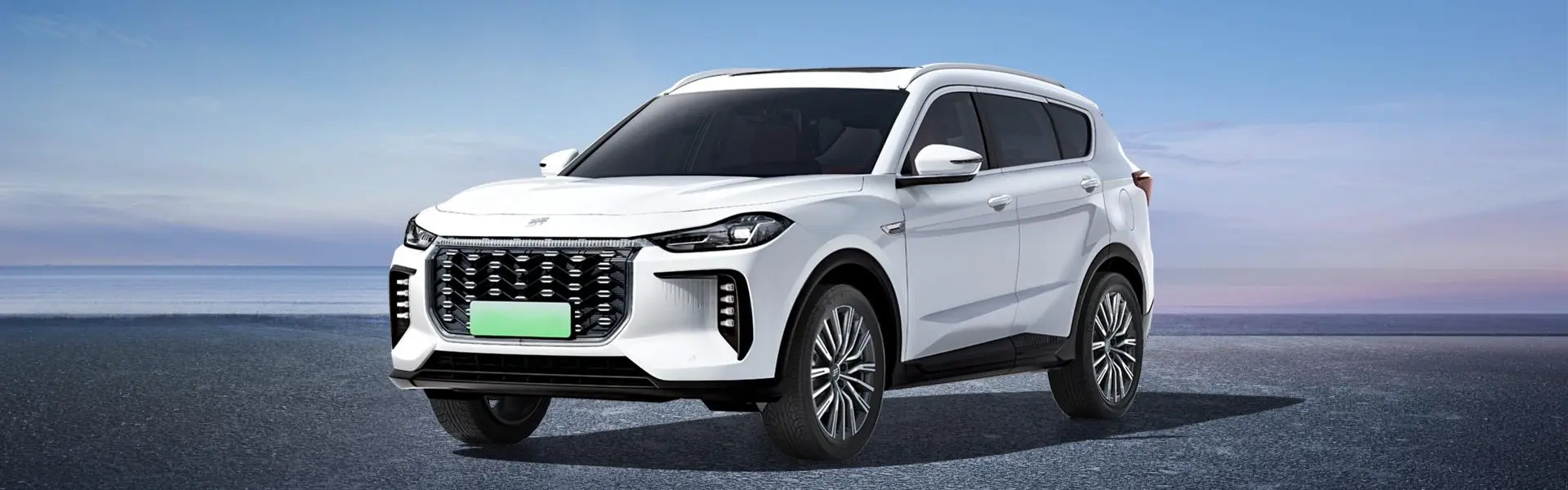
How Can Maserati Body Parts Improve Performance and Longevity?
Article Summary
This article examines the key body parts for Maserati vehicles, explaining their roles, maintenance considerations, and selection criteria for OEM and replacement components. It discusses how quality body parts influence vehicle integrity, safety, aerodynamics, and long-term preservation. Practical guidance and best practices are provided to help Maserati owners and service professionals make informed decisions when sourcing, repairing, or upgrading vehicle body components.
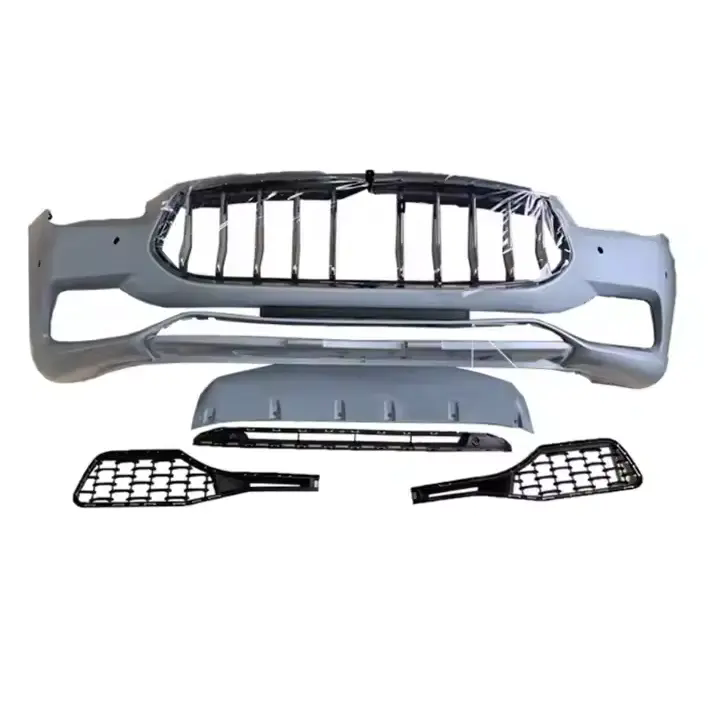
Table of Contents
- Introduction to Maserati Body Parts
- Key Body Components and Their Roles
- Selection Criteria for Maserati Body Parts
- Maintenance and Repair Considerations
- Frequently Asked Questions
- Conclusion and Contact Us
Introduction to Maserati Body Parts
Maserati vehicles are high-performance luxury automobiles that combine advanced engineering with refined aesthetics. The body parts of a Maserati—including panels, structural frames, and exterior trim—do more than define appearance. These parts also influence crash resilience, airflow management, and protection of internal systems. Replacing or repairing these components with parts that fit precisely and are engineered to specification helps maintain the performance characteristics and longevity of the vehicle.
Body parts for Maserati models vary depending on the model year and layout of each vehicle, but they generally include an extensive range of exterior surfaces, reinforcement elements, seals, and finishing trim. Maserati body parts are supplied both as original manufacturer parts and aftermarket alternatives, and they must be selected carefully to ensure fit, safety, and durability.
Key Body Components and Their Roles
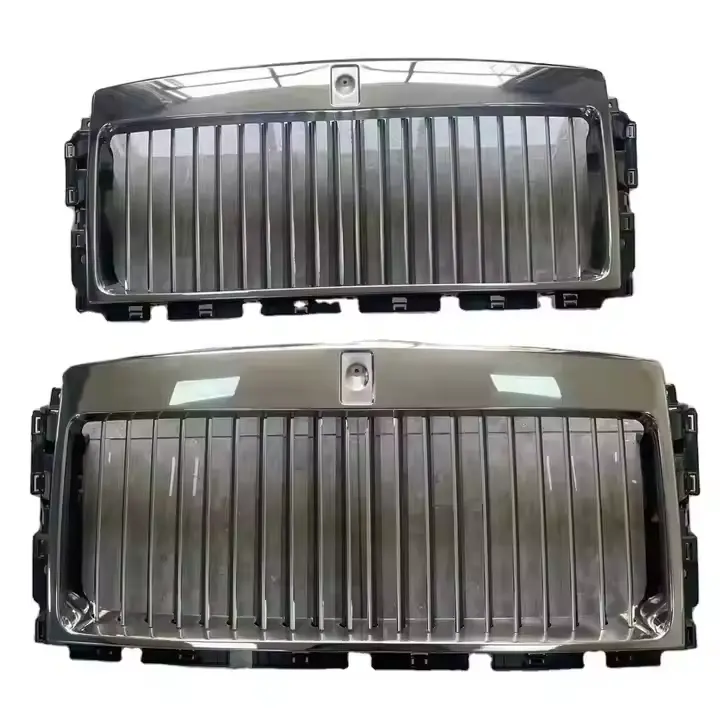
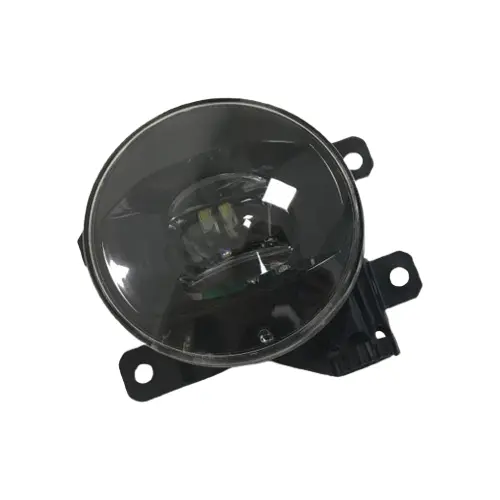
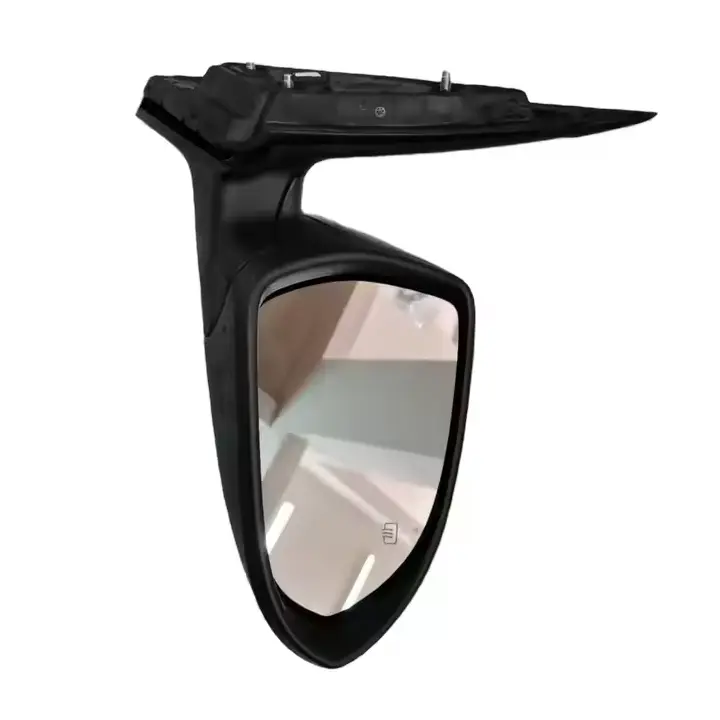
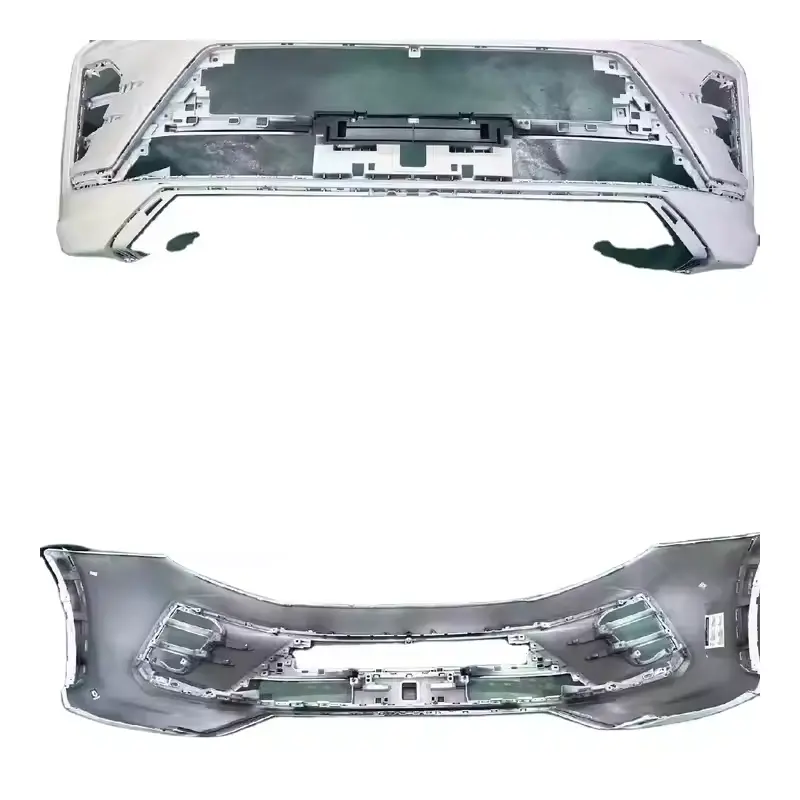
Automobile body parts for Maserati vehicles can be categorized based on their location and function. The following list highlights some of the most common categories, helping owners and technicians identify important elements of the body structure: :contentReference[oaicite:0]{index=0}
| Component Category | Description |
|---|---|
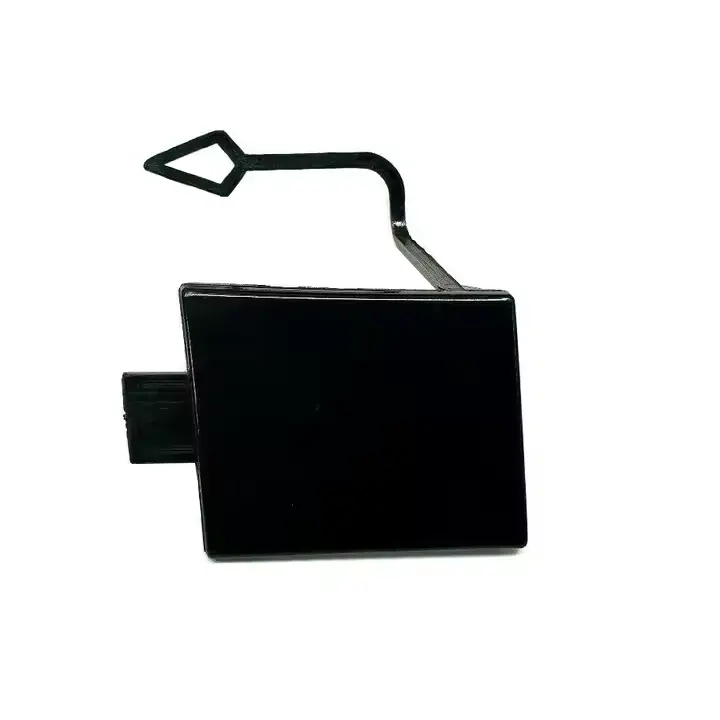
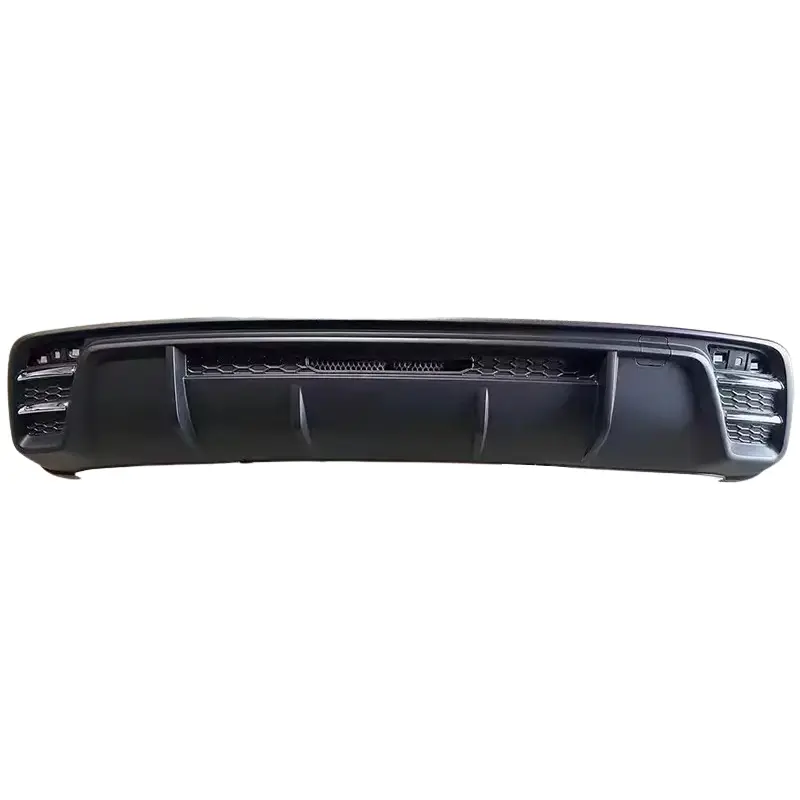
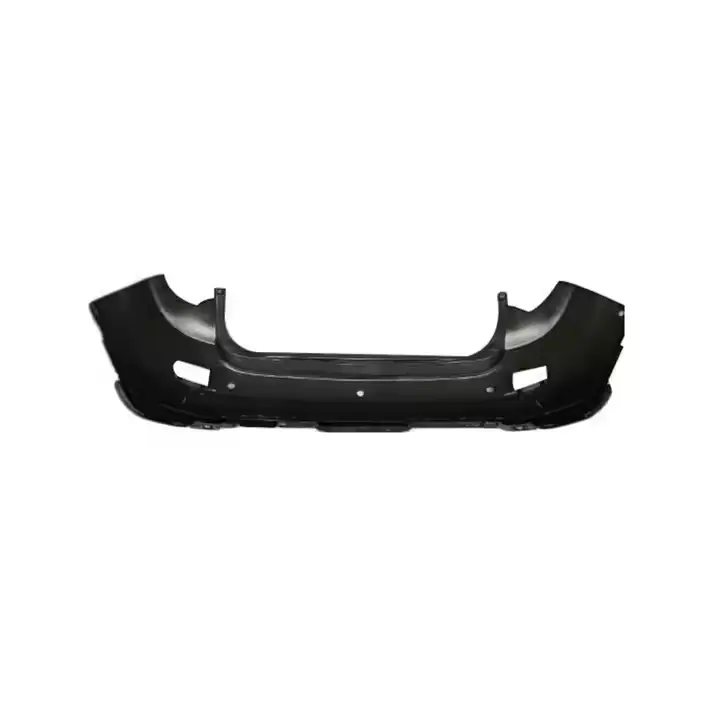
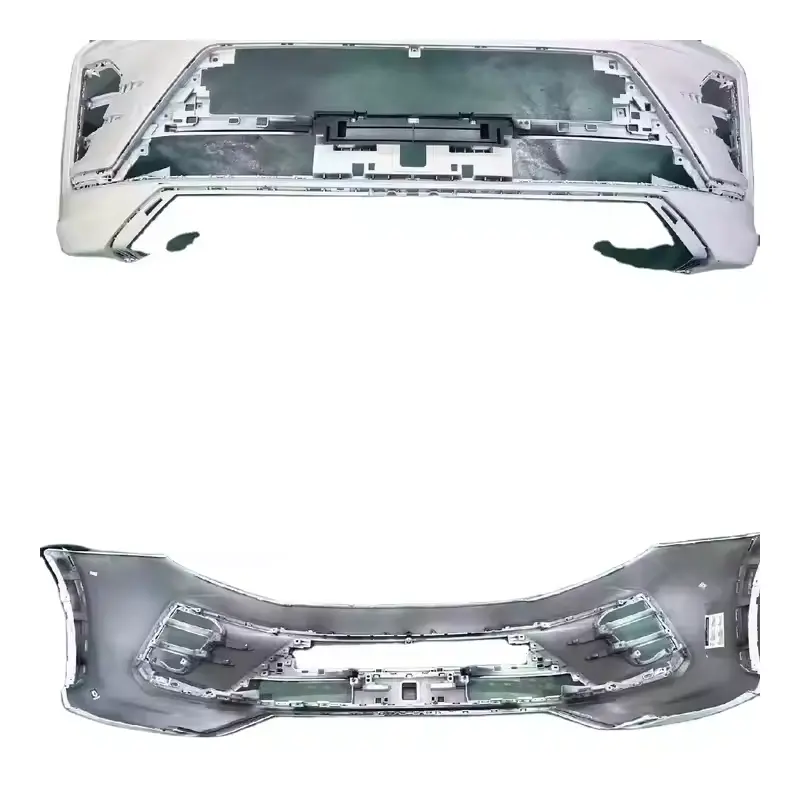
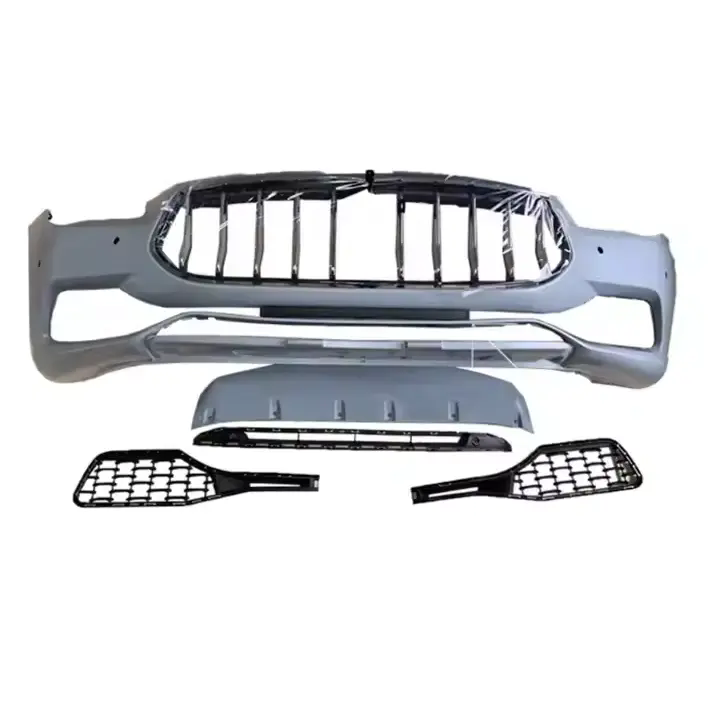
| Front Bumper, Rear Bumper | Protects vehicle ends from minor impacts; houses sensors and aerodynamic features. |
| Hood and Trunk Lid | Provides access to engine and cargo space; supports aerodynamic shaping. |
| Fenders and Quarter Panels | Cover wheels and contribute to structural rigidity and crash energy distribution. |
| Roof Panel and Rails | Forms upper shell of vehicle, supporting doors and contributing to rollover protection. |
| Doors and Inner Panels | Provide entry points and safety barriers; may include structural reinforcement. |
| Glass and Seals | Windshield, rear window and side glass provide visibility and climate control. |
Each of these parts works in coordination with adjacent systems such as suspension, electrical, and safety devices. Structural components like side frames and inner panels may not be visible externally but are critical for crash safety and chassis stability. :contentReference[oaicite:1]{index=1}
Selection Criteria for Maserati Body Parts
Selecting the right body parts for Maserati maintenance or repair involves evaluating several key factors:
- Fit and Compatibility – Parts must match the specific model and year of the vehicle to ensure proper installation and function.
- Material Quality – Panels and frame elements made from corrosion-resistant materials enhance durability under variable climate conditions.
- Finish and Mounting Features – Exterior parts should align precisely with adjacent surfaces and support paint or trim attachments without gaps.
- OEM vs Aftermarket – Genuine parts engineered by or for Maserati are designed to meet original specifications, while high-quality aftermarket options may offer cost advantages.
Maserati Genuine Parts are engineered to fit and function seamlessly with the vehicle’s existing structure and systems, helping preserve performance and comfort characteristics. :contentReference[oaicite:2]{index=2}
Maintenance and Repair Considerations
Proper maintenance of body components can prevent costly repairs and help preserve resale value. Regular visual inspection, especially after minor collisions or exposure to harsh environments, can identify problems early. Key considerations include:
- Corrosion and Rust Protection – Regular washing and protective coatings help mitigate corrosion on body panels and undercarriage elements.
- Alignment Checks – Mismatched panels or gaps often indicate underlying structural issues that require professional assessment.
- Seal Integrity – Weather stripping and window seals should be checked to prevent water ingress.
Repair work on structural elements such as frames or reinforcements should be performed by trained technicians, as improper work can compromise safety systems and affect performance characteristics.
Frequently Asked Questions
Q: What are the most commonly replaced Maserati body parts?
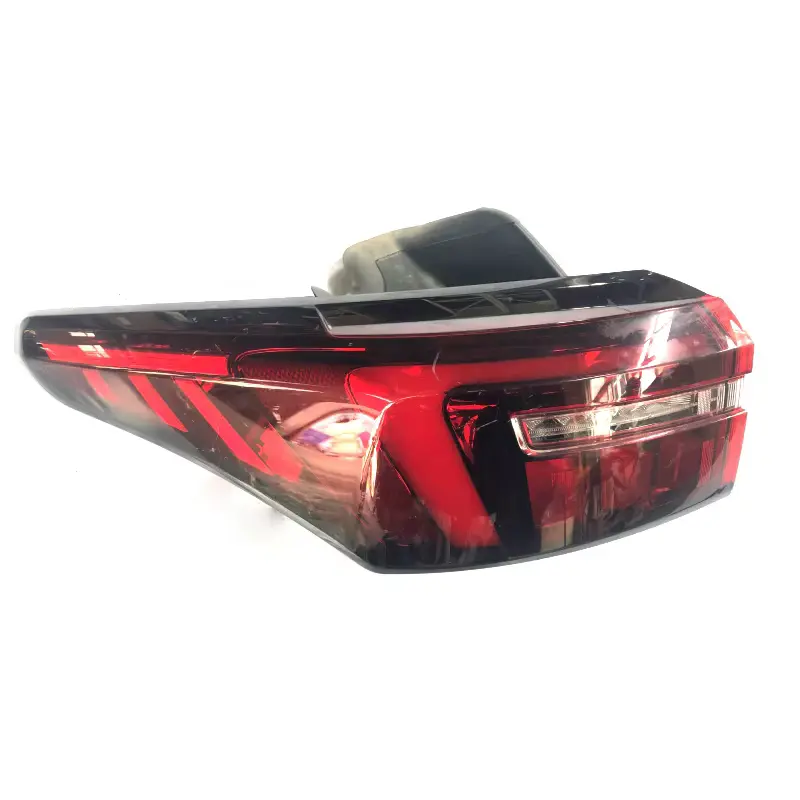
A: Common replacements include bumpers, fenders, hoods, doors, and exterior trim panels. These are typically affected by minor collisions, parking damage, or aging seals. Genuine parts help maintain integrity and aesthetic consistency.
Q: How do body part materials influence vehicle performance?
A: Material choice affects rigidity, weight, and corrosion resistance. Lightweight alloys or reinforced composites can support better handling and fuel efficiency while maintaining structural safety.
Q: Can aftermarket body parts fit a Maserati as well as OEM parts?
A: High-quality aftermarket parts can fit well if they are manufactured to exacting tolerances and standards. However, many technicians and owners prefer genuine parts for guaranteed compatibility and finish quality.
Q: Are Maserati body parts expensive to replace?
A: Replacement costs vary by part type and model year. Structural body parts and panels tend to be more expensive due to complexity and material costs, while trim elements may be less costly.
Conclusion and Contact Us
Understanding the different body parts for Maserati vehicles and their roles in vehicle behavior can help owners anticipate maintenance needs, make informed replacement decisions, and protect the investment value of these high-performance automobiles. Selecting the appropriate parts and working with qualified service professionals ensures that the vehicle performs as designed throughout its lifetime.
For genuine body parts, professional guidance, or custom sourcing solutions, Ningbo YC offers expertise in Maserati body part selection, compatibility verification, and global parts distribution. To discuss your Maserati’s needs or request a parts quote, contact us today for personalized assistance and support.
Related News
- Front Grille for GWM Haval New Jolion: A Practical Guide to Replacement, Selection, and Maintenance
- Front Bumper for Chery EXEED LX: A Complete Guide
- Why Is the Front Headlight for Geely Atlas Pro Essential for Safety and Style
- Why Is the Front Bumper for Chery EXEED LX an Essential Upgrade for Your Vehicle
- Why Is a Fender for Geely EMGRAND Essential for Vehicle Protection and Style
- Why Are Daily Running Lights for GWM HAVAL Jolion Essential for Safety and Style
Leave me a message